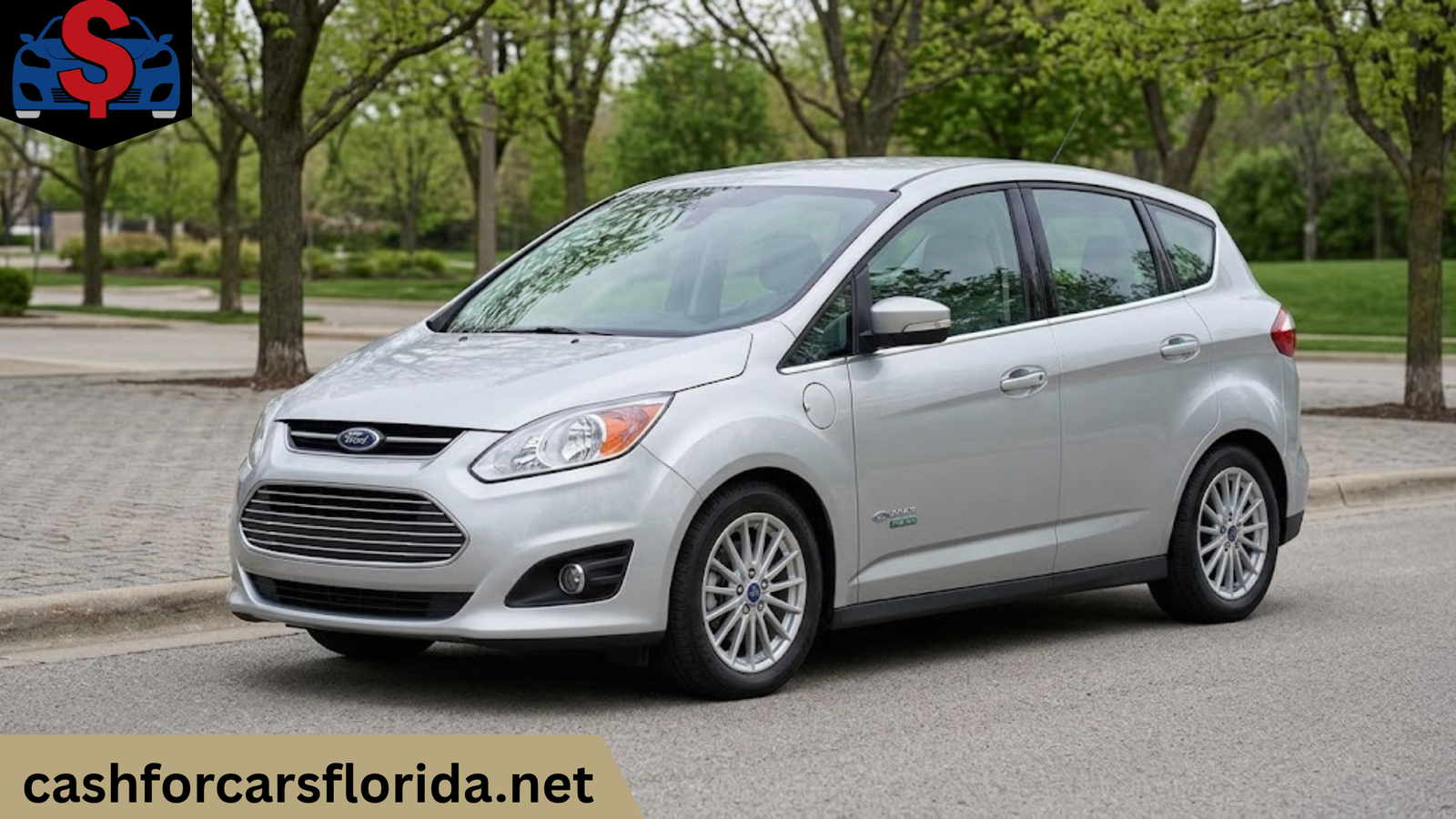


Your Ford Focus Electric has been a practical vehicle. You purchased it with the intention of saving on fuel costs and reducing your environmental impact. Maybe you appreciated the quiet ride and smooth electric acceleration. Now you’re wondering what happens when the battery isn’t what it used to be.
The question occupies your mind: is an aging Ford Focus Electric worth selling, or should you invest in battery replacement and repairs?
Electric vehicles present unique selling challenges compared to traditional gas vehicles. Most dealers don’t know how to evaluate them properly. Private buyers worry about battery health and range degradation. You’ve probably searched online and found conflicting information about EV values and battery replacement costs.
Here’s what you need to understand: an aging Ford Focus Electric still has real value. Specialized buyers understand electric vehicles specifically. They know how to evaluate battery conditions accurately. They have buyers for used EV components. Your older Focus Electric isn’t worthless just because it’s aging.
This guide explains exactly how to evaluate your aging Ford Focus Electric, understand its true market value, and make the smart decision about repair versus sale.
How Mileage Is Judged Differently on Electric Vehicles
The way mileage affects value is fundamentally different for electric vehicles compared to traditional gas cars. Understanding this difference helps you recognize why your Focus Electric might be worth more than you think.
Traditional Mileage Versus Battery Cycles
On a gas vehicle, mileage directly indicates engine wear. More miles mean more wear on pistons, cylinders, and internal components. Battery degradation in an electric vehicle follows a different pattern.
Your Ford Focus Electric’s battery degrades primarily through charge cycles, not miles driven. A battery experiences a charge cycle each time it goes from zero to one hundred percent charge then back to zero. Temperature exposure, charging habits, and time also affect battery degradation.
A Focus Electric with 80,000 miles might have better battery health than one with 60,000 miles if the higher-mileage vehicle was driven more efficiently with better charging habits.
The Battery Degradation Curve
Ford Focus Electric batteries typically degrade ten to fifteen percent over the first eight years of ownership. After initial degradation, the rate slows. A Focus Electric with eight years and 120,000 miles might retain eighty to eighty-five percent of original battery capacity.
This gradual degradation is predictable and manageable. The battery doesn’t suddenly fail. It slowly loses capacity over time. A battery retaining eighty-five percent capacity still provides useful range for daily driving.
Why Traditional Mileage Isn’t The Whole Story
Buyers of used electric vehicles focus on estimated battery health based on age and mileage combined. A Focus Electric with 150,000 miles driven over ten years with careful charging habits might be valued higher than one with 80,000 miles driven aggressively with poor charging practices.
The condition of other components also matters. The electric motor, transmission, brakes, and suspension all experience wear. Unlike gas engines, electric motors have fewer moving parts and typically experience less wear.
What Actual Range Means For Value
Your Focus Electric might have originally offered 120 miles of range. If current range is ninety miles, the battery has degraded about twenty-five percent. This reduction affects valuation but doesn’t eliminate value entirely.
Buyers calculate realistic remaining range and evaluate whether it meets their driving needs. Many owners drive less than fifty miles daily. An older Focus Electric providing ninety miles of range still serves this need perfectly.
How Charging Habits Affect Long-Term Value
The way you’ve charged your Ford Focus Electric over its lifetime directly impacts current battery health and therefore current value. Understanding this helps you explain your vehicle’s condition to buyers accurately.
Fast Charging Versus Home Charging
Frequent fast charging degrades batteries faster than slow home charging. Fast charging creates heat stress on battery cells. Home charging via standard outlets or Level 2 chargers operates at temperatures that are easier on battery chemistry.
A Focus Electric primarily charged at home over its lifetime typically shows better battery health than one frequently fast-charged, even if both have similar mileage.
Temperature Effects on Battery Chemistry
Batteries degrade faster in hot climates and when exposed to temperature extremes. Florida’s hot climate can contribute to faster battery degradation than in cooler regions. As a result, a Focus Electric that has spent most of its life in Florida may show more battery wear than a similar vehicle from a cooler state.
This isn’t a flaw with your vehicle. It’s physics. Buyers are aware that vehicles in Florida can experience more demanding battery conditions.
Charging To One Hundred Percent Regularly
Charging the battery to 100% every day can put more strain on it than regularly stopping around 80%. Over years, this practice compounds battery degradation. Conversely, owners who let batteries fully deplete regularly also cause faster degradation.
Optimal charging practices involve charging to eighty to ninety percent regularly and allowing occasional full discharges. Few owners follow ideal practices, so buyers expect to see battery degradation across all used electric vehicles.
Overcharging Prevention Features Help
Newer Focus Electric models have better battery management systems. Older models from 2012 to 2015 had less sophisticated systems. Your Focus Electric’s year determines what battery protection technology it includes.
Older models with less sophisticated management systems typically show more battery degradation than newer models, even with identical mileage.
What Buyers Look For In A Used Ford Focus Electric
Understanding buyer evaluation criteria helps you know whether your Focus Electric still appeals to the market.
Battery Health Assessment
Buyers evaluate battery condition through several methods. They use diagnostic scanning tools that read battery management system data. They assess estimated range based on reported EPA range versus claimed current range. They consider age and mileage combined.
A battery showing significantly more degradation than expected for its age and mileage suggests hard use or poor charging practices. Batteries degrading within normal ranges appear acceptable.
Charging Port Condition
The charging port experiences wear from repeated use. Corrosion, loose connections, or damaged charging receptacles reduce value. A properly functioning charging port that connects smoothly indicates good maintenance.
Motor and Drivetrain Status
Electric motors are simple devices with fewer failure points than gas engines. They don’t typically fail suddenly. The motor either functions properly or has permanent damage. Most used Focus Electric motors function normally even in older vehicles.
The transmission is a simple single-speed automatic. It rarely fails in electric vehicles. Transmission problems are uncommon in Focus Electric models.
Brake System Condition
Regenerative braking in electric vehicles means brake pads experience less wear than in gas vehicles. This is actually good. Older Focus Electric models often have brake pads in better condition than similarly aged gas vehicles.
Interior And Exterior Condition
Interior wear, seat condition, dashboard cracks, and electronics functionality matter as much as they do for any used vehicle. An older Focus Electric with a clean interior and working electronics appeals more to buyers than one with worn interior and non-functional features.
Body rust, paint condition, and accident damage affect valuation. These factors are independent of the vehicle being electric.
Title Status And Ownership History
A clean title with no previous damage claims is valuable. Salvage titles or titles indicating previous major damage affect valuation significantly. Clean ownership history matters for electric vehicles as much as any other vehicle type.
| Evaluation Factor | What Buyers Assess | Why It Matters |
| Battery Health | Capacity retention and degradation rate | Battery is most expensive component to replace |
| Charging Port | Functionality and physical condition | Required for all charging methods |
| Electric Motor | Performance and any failure indicators | Motor longevity affects vehicle viability |
| Brake System | Pad wear and rotor condition | Regenerative braking affects wear patterns |
| Interior Condition | Seat wear, electronics, dashboard | Indicates overall maintenance and care |
| Exterior Condition | Paint, rust, body damage | Affects resale appeal and valuation |
| Title Status | Ownership history and claims | Affects buyer confidence and valuation |
Repair Versus Sell Decision For An Aging Ford Focus Electric
The decision between repairing your aging Focus Electric and selling it requires honest assessment of your vehicle’s condition and your financial situation.
When Battery Replacement Makes Sense
Battery replacement is extremely expensive. A replacement battery for a Focus Electric can cost between $5,000 and $15,000 depending on capacity and whether you purchase new or refurbished.
If your battery retains seventy-five to eighty-five percent capacity, replacement rarely makes financial sense. The vehicle still provides useful range for most owners. The cost of replacement doesn’t justify the improvement in range.
If battery capacity has dropped below fifty percent and the vehicle can barely complete short trips, replacement might make sense if you plan to keep the vehicle for years. Otherwise, selling is smarter than investing in expensive battery work.
Other Repair Considerations
Beyond battery issues, older Focus Electric models rarely need major repairs. The electric motor doesn’t require oil changes. There’s no transmission fluid to maintain. Brake fluid and coolant still need periodic service, but these are minor costs.
If your Focus Electric needs new brakes, suspension work, or electrical repairs, evaluate whether these costs make sense relative to the vehicle’s value. For an older vehicle worth relatively little, expensive repairs don’t make financial sense.
Charging System Problems
If the onboard charger has failed or the charging port is damaged, repair costs can be $500 to $2,000. This is more manageable than battery replacement, but still substantial for an older vehicle.
Buyers will still purchase Focus Electric models with charging issues. They can install aftermarket charging solutions or replace the onboard charger themselves as repair work.
When Selling Makes Clear Sense
If battery capacity has degraded below fifty percent, selling makes sense. If repair costs approach or exceed the vehicle’s sale value, selling is the obvious choice. If you’re uncertain about the vehicle’s reliability, selling eliminates worry about future repair expenses.
Selling also avoids the emotional attachment that can lead to expensive repair decisions you later regret. A practical evaluation of numbers often shows that selling makes more financial sense than repairing.
Why Some Electric Vehicles Hold Value Better Than Others
Not all electric vehicles experience the same value trajectory as they age. Understanding why helps you assess your Focus Electric’s real market position.
Battery Technology Evolution
Early electric vehicles like the Ford Focus Electric used simpler battery chemistry than modern EVs. These older batteries degrade faster. Modern electric vehicles use advanced battery management systems and better battery chemistry that degrades slower.
Your Focus Electric, if it’s a 2012 to 2019 model, uses earlier technology. This means it will show more battery degradation than newer electric vehicles. This is simply the nature of technology evolution.
Demand For Used Electric Vehicles
The used electric vehicle market is growing rapidly. More buyers are willing to purchase used EVs as they gain confidence in battery longevity. This growing demand supports better resale values for electric vehicles, even older models.
The Ford Focus Electric was an affordable EV option. This appeal means the used market continues to have interest in Focus Electric models even as they age.
Charging Infrastructure Growth
As charging networks expand across Florida and the United States, older electric vehicles become more practical. Better charging availability increases the appeal of older EVs like your Focus Electric.
This infrastructure development helps older electric vehicles retain value better than they would have retained value ten years ago.
Specialization Of Buyers
Electric vehicle buyers are often enthusiasts who understand battery health and realistic range expectations. These buyers make reasonable purchase decisions based on actual vehicle condition rather than emotional factors.
A Focus Electric with clearly documented battery health appeals to this buyer base. Transparency about battery condition actually helps with the right buyers.
FAQs
Can I sell my Ford Focus Electric if the battery is degraded?
Yes. Battery degradation doesn’t prevent sale. Buyers evaluate realistic remaining ranges and purchase accordingly. A Focus Electric with seventy-five percent battery capacity still has significant value.
What if my Focus Electric won’t charge at all?
Charging system failure doesn’t prevent sales. The vehicle still has value from the motor, transmission, and other components. Buyers can repair or replace charging systems.
Is the title a problem if my Focus Electric is electric?
No. Title issues affect electric vehicles exactly like they affect gas vehicles. A salvage title reduces value but doesn’t prevent sale. A missing title can be handled through Florida DMV processes.
How do I document my Focus Electric’s battery health?
Have a diagnostic scan performed at an electric vehicle service center. This creates documentation showing battery capacity and health. Buyers appreciate this documentation.
Are older Focus Electric models worth anything?
Yes. Even a 2012 Focus Electric with significant battery degradation has value. Motors, transmissions, and other components have market value. The vehicle can be parted out or repaired.
Should I install a new battery before selling?
No. Buyers will negotiate the price based on current battery condition. Installing a new battery adds expense that buyers won’t fully reimburse you for in the sale price.
Do electric vehicles have salvage value?
Yes. Electric vehicle components are increasingly valuable as more EVs enter the market. Motors, power electronics, and even degraded batteries have salvage value.
Will a cash buyer accept my Focus Electric with battery issues?
Yes. Cash buyers specifically purchase vehicles with mechanical problems. Battery issues are common in older EVs and don’t prevent purchase.
How is an older Focus Electric valued differently than a gas Focus?
Battery condition becomes the primary valuation factor for electric vehicles. A gas Focus’s engine is evaluated for mechanical health. A Focus Electric’s battery is evaluated for capacity retention.
Can I still drive my Focus Electric if the battery is degraded?
Yes. A battery retaining seventy to eighty percent capacity still provides useful range. Many owners drive fifty miles or less daily. Degraded batteries still meet this need.
Making Your Decision About Your Aging Ford Focus Electric

Your Ford Focus Electric still has value regardless of age or battery condition. The decision between repair and sale depends on your specific vehicle’s condition and your financial situation.
Get a professional diagnostic scan to document your battery’s actual health. Contact multiple cash buyers and get quotes for your vehicle. Compare the cost of repairs against the offers you receive.
If repair costs exceed sale value, selling is clearly the better choice. If your vehicle provides the range you need despite battery degradation, keeping it makes sense. If you’re ready to move on to a newer vehicle, selling eliminates the uncertainty of future repair costs.
Your Focus Electric served its purpose. It provided years of reliable, economical transportation. When it’s time to sell, specialized buyers understand electric vehicles and will offer fair value for what you have.
Contact Florida cash buyers today who specifically purchase electric vehicles. Provide honest information about your Focus Electric’s condition and battery health. Get quotes without obligation. Make your decision based on actual numbers and your personal circumstances.