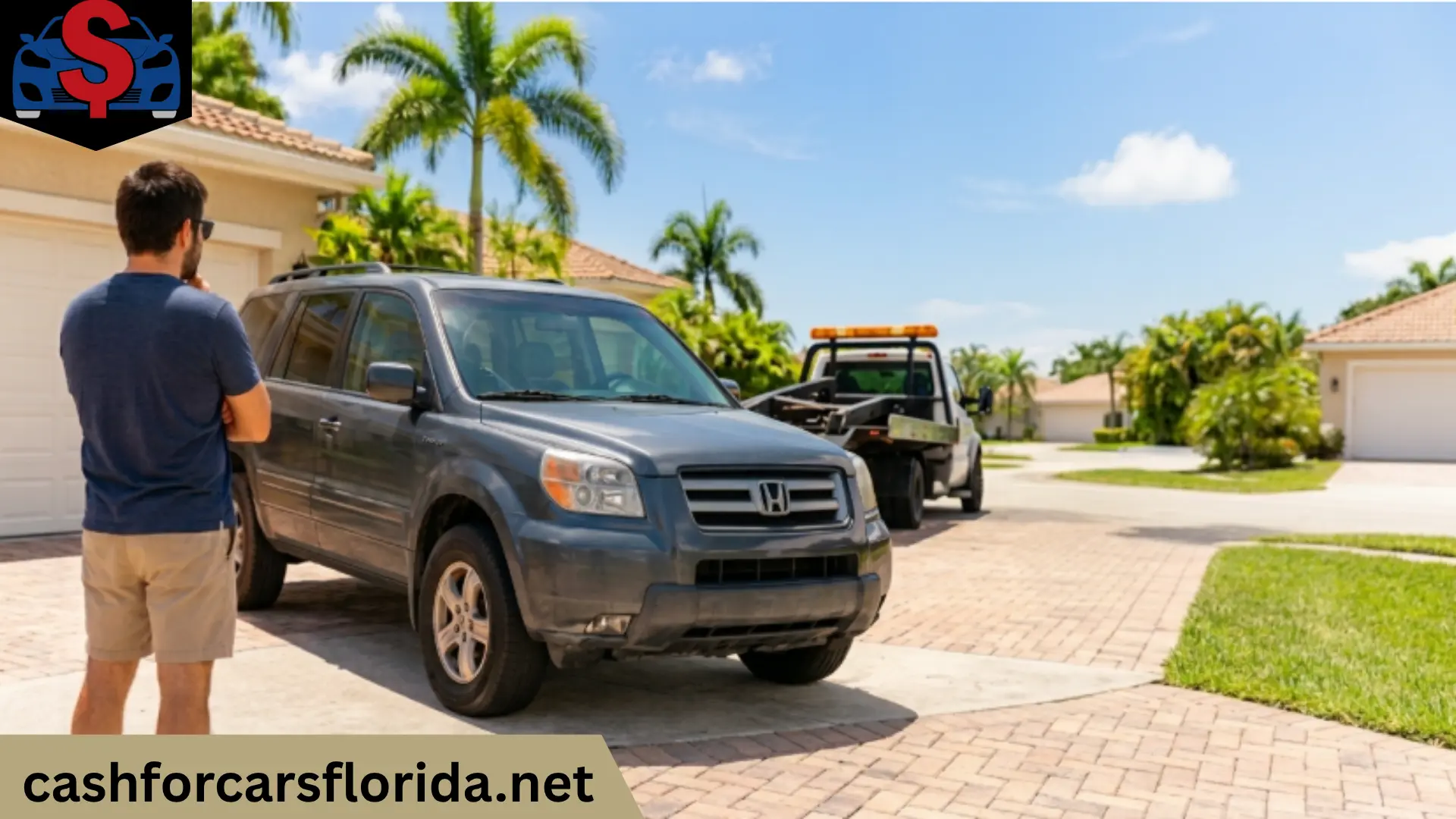

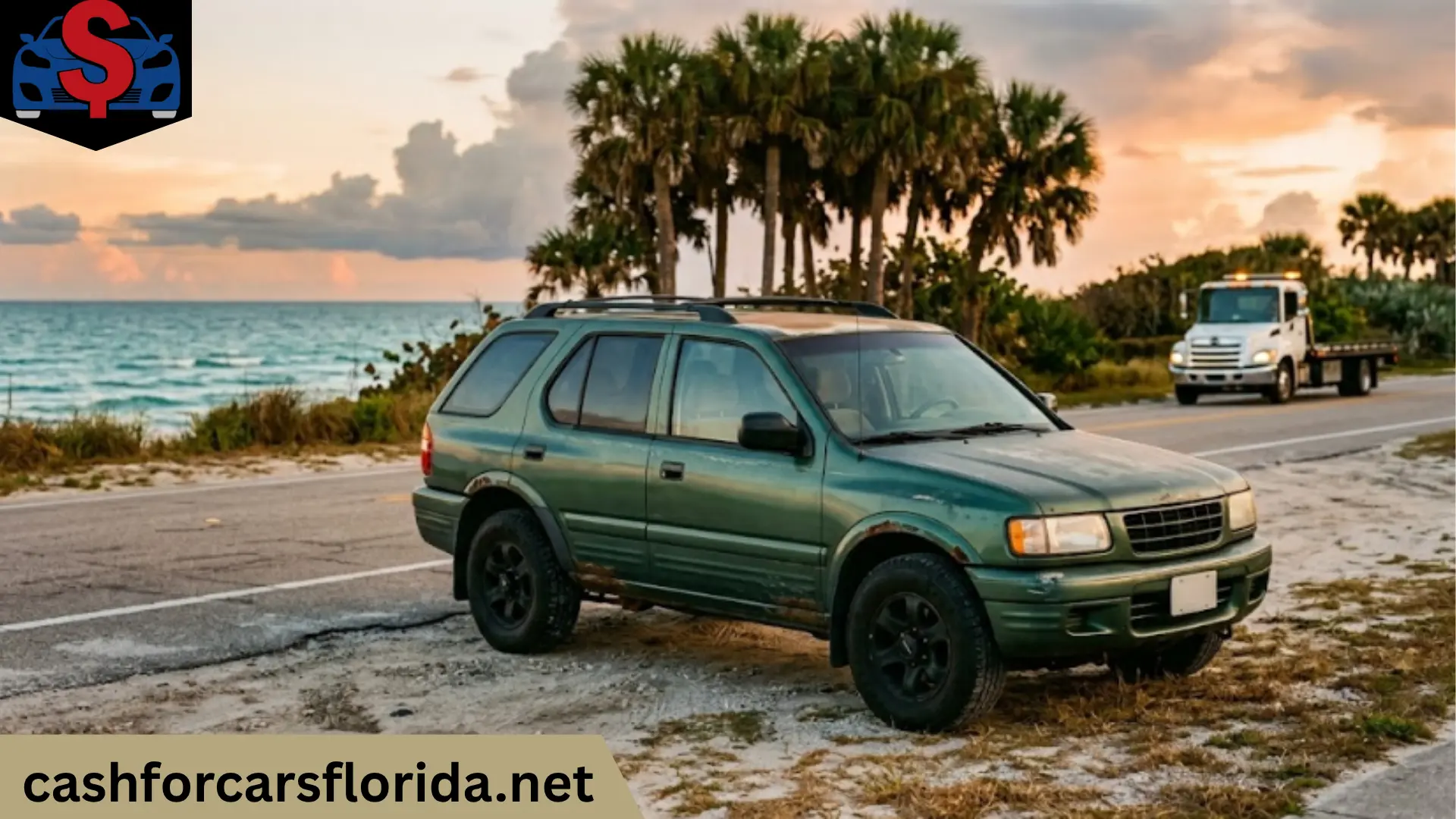
Your Honda Passport has carried you through countless Florida adventures. It’s faced hurricane seasons, coastal salt air, intense sun, and the unpredictable weather that comes with living in the Sunshine State. Now you’re wondering if it’s time to let this capable SUV go. Maybe it’s been sitting unused, or perhaps mechanical issues make keeping it impractical. This guide helps you understand what your Honda Passport is worth in today’s Florida market and how to get cash for it without the hassle of private sales.
Understanding the Honda Passport Market in Florida
The Honda Passport holds a unique place in the used vehicle market. Unlike mainstream SUVs, the Passport appeals to a specific type of buyer who wants genuine off-road capability without the full-size truck commitment. This narrow appeal affects how your Passport is valued.
Passports were produced from 1994 to 2002, then reintroduced starting in 2019 as a completely redesigned model. This creates two distinct markets. Older Passports are viewed as collectible adventure vehicles by enthusiasts. Newer Passports compete directly with midsize SUVs from other manufacturers.
In Florida specifically, the Passport market is smaller than other states. The vehicle’s off-road focus doesn’t align perfectly with Florida’s flat terrain and coastal lifestyle. This means fewer potential private buyers actively searching for Passports in your local market. When you’re trying to sell privately, limited buyer interest translates to lower offers and longer wait times.
Cash buyers, however, operate differently. They don’t depend on finding the perfect buyer for your specific vehicle. They evaluate your Passport’s worth based on its components, materials, and potential uses in their business model. This flexibility often means better offers for you.
How Florida Weather and Rust Destroy Your Honda Passport’s Value
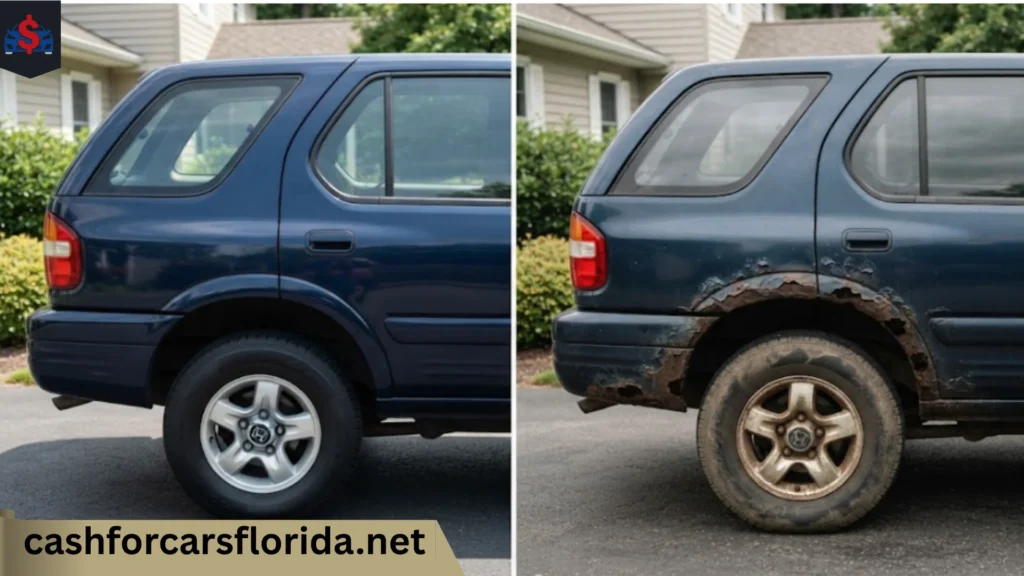
Florida’s climate is beautiful but brutal on vehicles. The combination of salt air, humidity, intense sun, and frequent rain creates perfect conditions for rust and corrosion. Your Honda Passport is particularly vulnerable to these environmental factors.
The Salt Air Problem
Coastal regions from Miami to Naples expose vehicles to salt-laden air. This salt accelerates the oxidation process on metal components. Your Passport’s undercarriage, suspension components, and structural elements corrode faster in coastal areas than in most other states.
Salt air causes rust to form not just on visible surfaces but deep within your vehicle’s structure. Door seams, window frame channels, and roof panel edges become rust traps. Once rust starts, it spreads quickly because salt continuously recontaminates the area.
Sun Damage and Paint Degradation
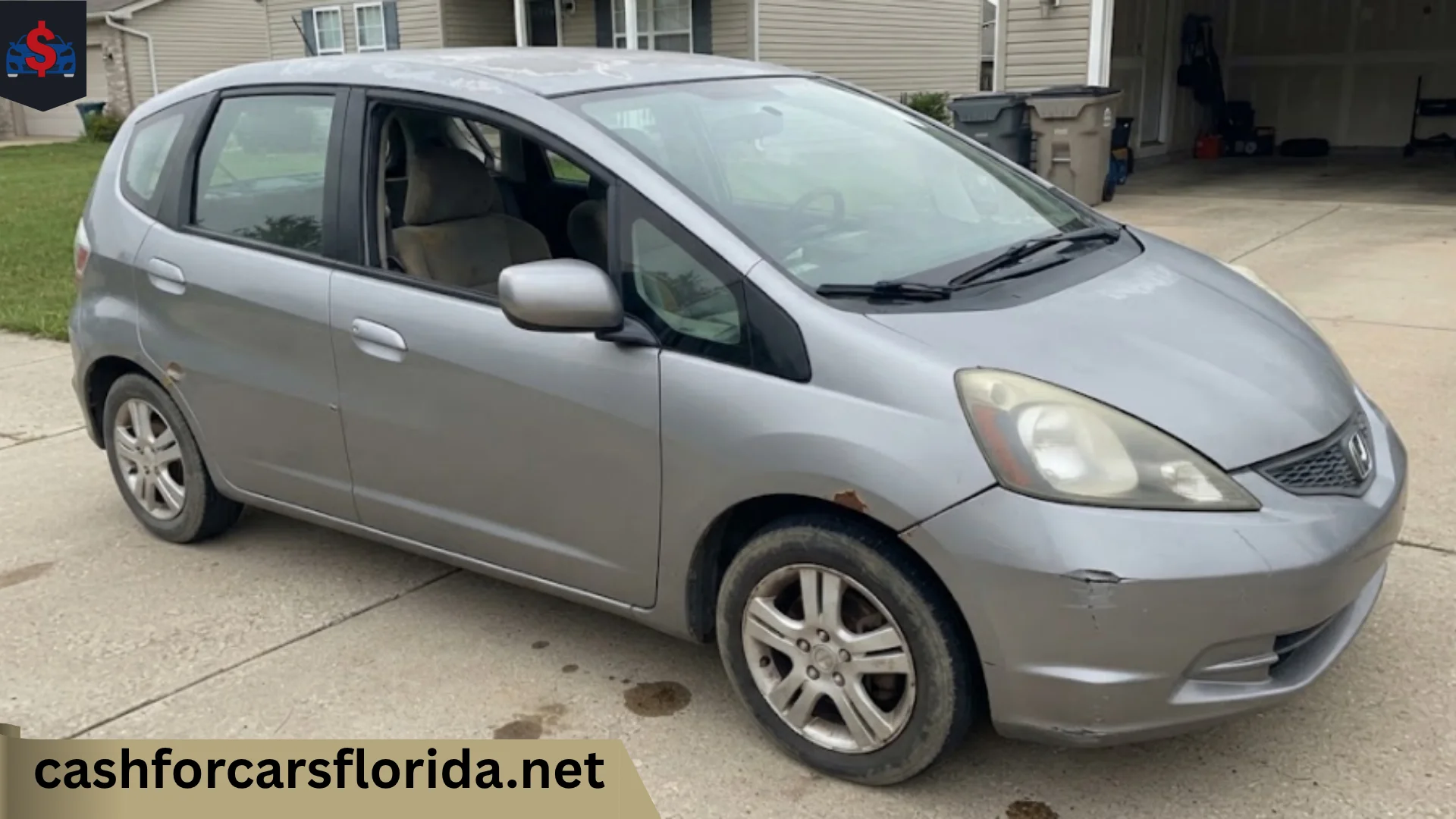
Florida’s intense UV rays cause significant paint damage. Your Passport’s clear coat breaks down, exposing the base color beneath. This oxidation creates a dull, chalky appearance that makes any vehicle look older and neglected.
Rubber seals around doors and windows dry out under constant UV exposure. They crack and shrink, allowing water to enter. This creates internal rust problems that aren’t immediately visible but severely damage your vehicle’s value.
Moisture and Mold Issues
Florida’s humidity creates persistent moisture problems. Even if your Passport is garaged, humidity penetrates every space. Carpet and upholstery absorb moisture, encouraging mold growth. Once mold develops inside your vehicle, it’s nearly impossible to eliminate completely.
Mold reduces interior value significantly because it creates health concerns for buyers. A Passport with visible or suspected mold becomes extremely difficult to sell privately. Cash buyers factor mold damage into their offers but at least accept the vehicle in this condition.
Rust Impact on Vehicle Value Table
| Rust Condition | Location on Vehicle | Impact on Value | Repairability |
| Surface oxidation only | Visible panels | 5-10% reduction | Easy to repair |
| Surface rust and paint damage | Doors, hood, fenders | 15-25% reduction | Moderate difficulty |
| Structural rust beginning | Undercarriage, frame | 30-50% reduction | Difficult and costly |
| Advanced corrosion | Door frames, rockers | 50-75% reduction | Repair not economical |
| Severe structural rust | Frame and support beams | 75-90% reduction | Complete restoration only |
Salvage Titles and Flood Titles: How They Affect Your Passport
Your Honda Passport’s title status dramatically affects its value. If your vehicle has anything other than a clean title, understanding what that means is critical to getting a fair evaluation.
What a Salvage Title Means
A salvage title is issued when an insurance company declares your vehicle a total loss after damage. This typically happens when repair costs exceed 70 to 80 percent of the vehicle’s pre-damage value. Once your Passport receives a salvage title, that status follows it permanently.
Even if someone completely rebuilds the vehicle and gets it retitled as “rebuilt salvage,” the history remains on the vehicle’s record. Buyers search Carfax and AutoCheck reports and see salvage history immediately. This salvage designation eliminates most private buyers because insurance companies won’t insure salvage-titled vehicles the same way, and banks won’t finance them.
Cash buyers routinely purchase salvage-titled vehicles because their business model accommodates damaged vehicles. For you as a seller, this means a cash buyer might be your most practical option for a Passport with salvage title history.
How Flood Titles Destroy Value
Florida’s vulnerability to hurricanes and flooding means many vehicles here suffer water damage. If your Honda Passport was damaged in a flood event, it likely received a flood title designation.
Flood damage can be difficult to detect because water can affect nearly every part of a vehicle. It saturates electrical systems, corrodes wiring, encourages mold in upholstery, and damages engine electronics. After a flood, vehicles often have latent problems that emerge months or years later.
Insurance companies and lenders treat flood-titled vehicles with extreme caution. The vehicle becomes nearly impossible to resell through traditional channels. Even though your Passport might seem to run fine initially, the flood damage history prevents most buyers from making offers.
The Difference Between Salvage and Flood Titles
| Title Type | Cause | Recovery Possibility | Resale Difficulty | Impact on Value |
| Clean Title | Normal vehicle ownership | N/A | Easy to resell | Full market value |
| Salvage Title | Major damage, insurance total loss | Complete rebuild possible | Extremely difficult | 40-60% of clean title value |
| Flood Title | Water damage from flooding | Varies greatly | Very difficult | 30-50% of clean title value |
| Rebuilt Salvage | Salvage vehicle restored | Vehicle operational again | Difficult but more acceptable | 60-75% of salvage value |
Getting Your Honda Passport Evaluated for Cash in Florida
The process of getting an accurate cash offer for your Passport requires understanding what evaluators are looking for. Florida-specific factors weigh heavily in this assessment.
Initial Information Gathering
When you contact a cash buyer for your Honda Passport, have the following information ready: vehicle year, mileage, trim level, maintenance history, and any damage or mechanical issues. Your vehicle’s year and mileage directly affect perceived remaining vehicle life, though Passports are known for longevity if maintained.
Be honest about any damage, mechanical issues, or previous accidents. Buyers will discover these issues during inspection anyway. Transparency helps build trust and prevents delayed offers when problems are uncovered.
Florida-Specific Inspection Points
When an evaluator inspects your Passport in Florida, they focus on climate-related damage alongside mechanical condition. Inspectors look closely at vulnerable areas where rust commonly develops like door seams, window frames, rocker panels, and undercarriage. Mold and moisture damage get serious evaluation through smell tests and visual inspection of carpeting and upholstery.
Your Passport’s engine, transmission, and electronic systems are tested. Florida’s heat can prematurely age engine components. Electrical systems sometimes fail faster in humid conditions. Evaluators check your title status to confirm whether it’s clean, salvage, or flood-titled through Carfax and Auto Check searches.
What Happens to Your Honda Passport After Pickup
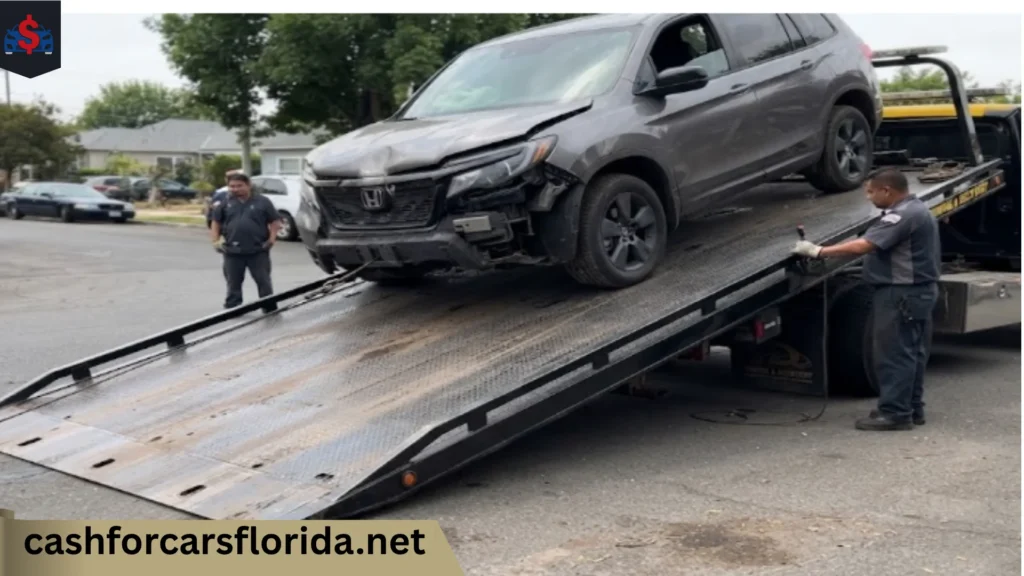
Once you accept an offer and schedule pickup, your Honda Passport enters a process designed for efficiency and responsible handling.
The Pickup Process and Transportation
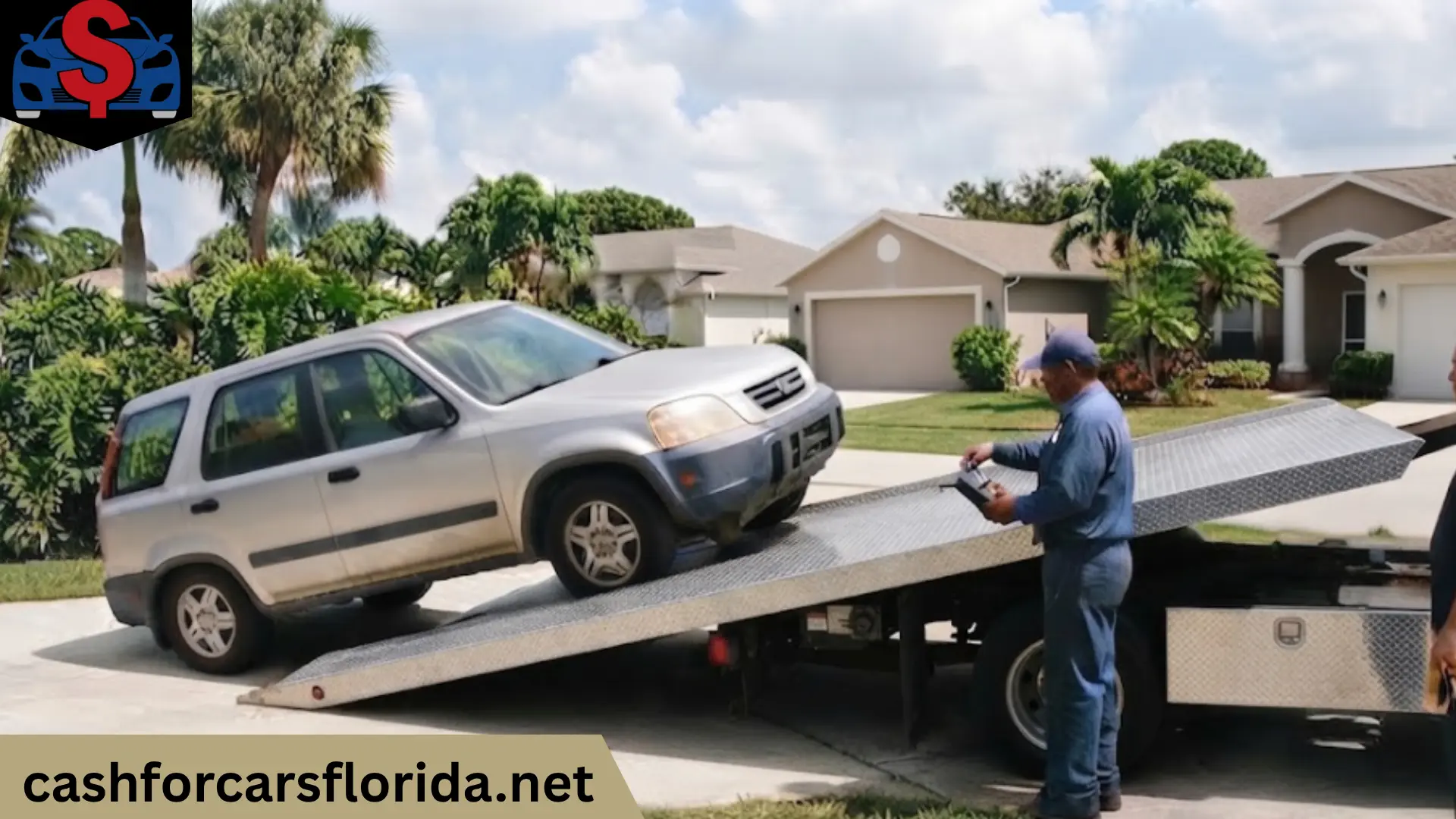
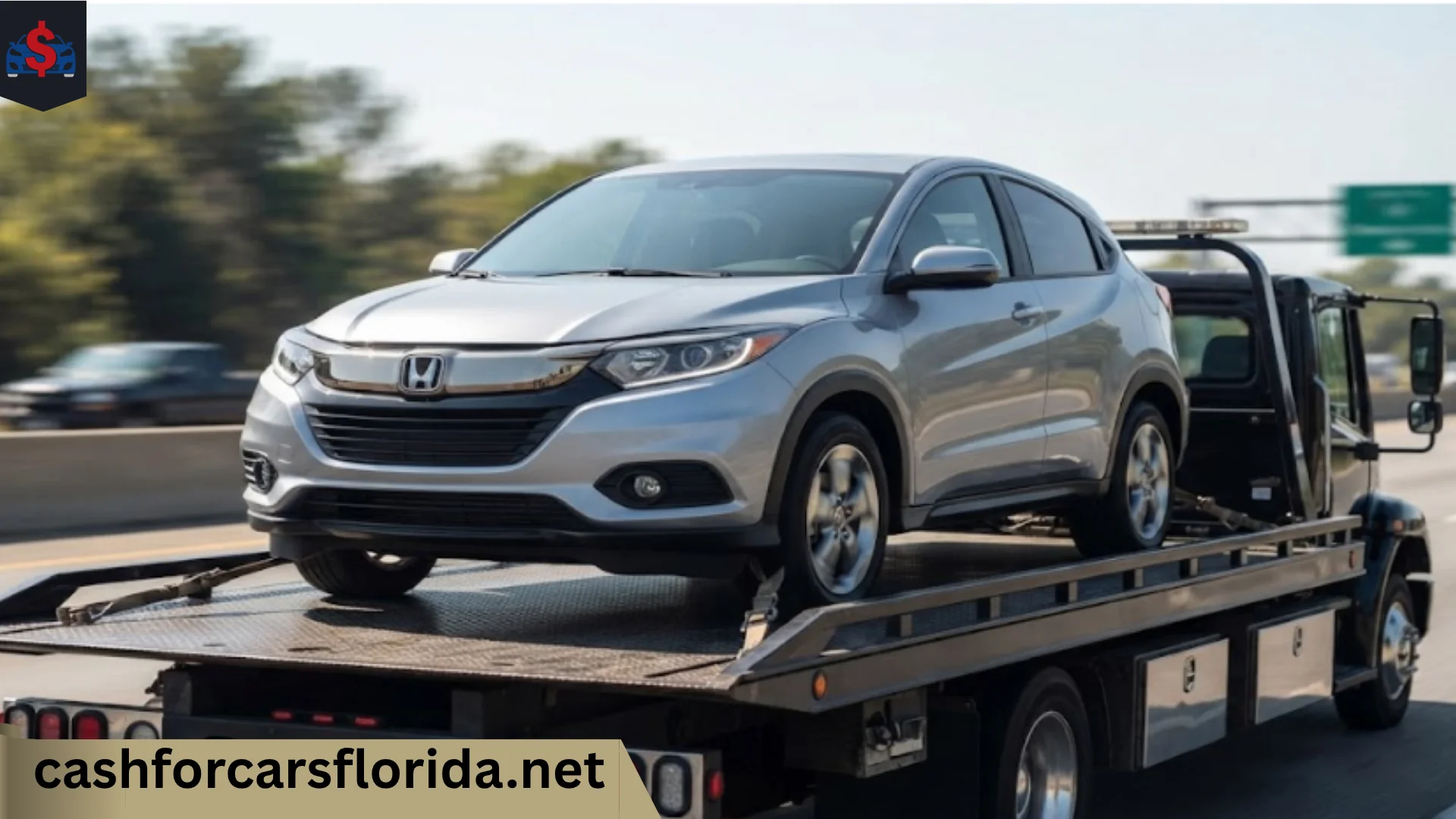
A professional tow service arrives at your location with a flatbed truck. They photograph your vehicle’s condition for documentation purposes. Your Passport is carefully loaded onto the truck using equipment designed to prevent damage. Chains or straps secure the vehicle for transport. The entire process usually takes around 15 to 30 minutes, from the time you arrive until you leave.
Your Passport is transported to a processing facility where it’s assessed further. In Florida, this might be a central location in your region or a facility elsewhere in the state depending on your location and the buyer’s operations.
Vehicle Evaluation and Destination After Processing
Once at the facility, technicians perform a detailed inspection. They document the vehicle’s actual condition and ensure all parts are properly cataloged. What happens next depends on your Passport’s condition and market demand.
If the vehicle is mechanically sound and has a clean title, it might be cleaned and sold at auction to other dealers or individual buyers. Vehicles with mechanical issues but still operational might be sold at specialized auctions where buyers are specifically looking for project vehicles or fixer-uppers.
Passports in poor condition or with title problems are often harvested for usable parts. Electronic components, interior trim, doors, and mechanical parts are removed and sold through auto recyclers. Usable metals from your Passport are separated and recycled, including aluminum, steel, and copper. Fluids are drained and disposed of properly according to environmental regulations.
What to Remove From Your Passport Before Pickup
Before your Honda Passport is picked up, remove personal items and anything of value. The pickup company typically only handles the vehicle itself, not personal property left inside.
Personal Possessions to Remove
Check every compartment thoroughly. Your glove compartment might contain registration, insurance information, or personal documents. Floor mats, cargo liners, and other removable interior items are yours if you want to keep them.
GPS units, portable phone chargers, or dashcams mounted in your Passport belong to you. Remove anything electronic that you installed yourself and want to keep. Provide all keys including remote key fobs and spare keys to the buyer.
The removal process is a good time to do one final vehicle walkthrough. You’ll sometimes find items you completely forgot about. Old sunglasses in cup holders, coins between seats, or tools stored in compartments turn up regularly. Some items might be irreplaceable from a sentimental perspective and warrant recovery before pickup.
Understanding Your Passport’s Value Beyond Market Price
Your Honda Passport represents more than just transportation to you. It might represent adventures, memories, or a significant investment. Understanding its monetary value requires looking at factors beyond just numbers.
The Passport community is passionate about off-road adventure and capable vehicles. Some sellers donate vehicles to charities if they’re in relatively good condition. In some cases, donating your vehicle may offer greater tax benefits than selling it privately or accepting a cash offer.
Your decision to sell should align with your current needs and circumstances. Whether you’re moving, downsizing, or simply ready for a different vehicle, your Passport has served a purpose. Selling it for cash eliminates stress and provides immediate funds.
Your Next Steps With Your Honda Passport
Making the decision to sell your Honda Passport is significant. Taking time to understand your options and get accurate information positions you to make the best choice.
The Florida market for Passports is smaller than national markets, which means cash buyers often provide your most practical option. Weather damage and rust unique to our climate have likely affected your vehicle’s value more than in other states.
Getting an honest evaluation of your Passport’s condition helps you understand what to expect. Contact multiple buyers to compare offers and processes. Your Honda Passport’s value depends on condition, title status, mileage, and current market demand. These factors combine to determine fair offers. Understanding how each factor affects value helps you evaluate offers when they arrive.
FAQs
What’s different about selling a Honda Passport in Florida compared to other states? Florida’s climate creates specific challenges. Rust and corrosion develop faster here than in drier states. Flood history is more common due to our hurricane vulnerability. Salt air in coastal areas accelerates metal oxidation. These Florida-specific factors affect how evaluators assess your vehicle and what offers they make.
Do I need to get any inspections before contacting buyers?
No inspections are required before contacting cash buyers. In fact, most cash buyers prefer to do their own inspections to verify vehicle condition. Getting independent inspections costs money and isn’t necessary for receiving an offer.
What if my Passport doesn’t run anymore?
Non-running vehicles are perfectly acceptable for cash buyers. Many car buyers actually focus on purchasing vehicles that no longer run or need major repairs. Your Passport is valuable for parts and scrap even if the engine is seized.
Can I sell a Passport with outstanding loans against it?
Yes, you can sell to a cash buyer even with outstanding loans. The cash buyer works directly with your lender to settle the outstanding loan using the money from the vehicle sale. You receive any remaining balance after the loan is satisfied.
What if I lost my title for the Honda Passport?
Lost titles create complications but aren’t impossible to resolve. You can apply for a duplicate title through the Florida Department of Motor Vehicles. Some buyers can still work with you during the title replacement process, though it might delay the transaction.
Is it better to sell to a dealership or a cash buyer for my Passport?
Dealerships accept trade-ins primarily as incentives to sell new vehicles. They typically offer less for problem vehicles because their business model focuses on ready-to-sell inventory. Cash buyers specialize in accepting problem vehicles and can often offer more.
Will selling my Passport affect my credit score?
Selling your vehicle doesn’t directly affect your credit score. If you have an outstanding loan, your credit might improve once the loan is satisfied. Avoid taking new credit inquiries around the time of sale if possible.
What Should I Do With My Insurance After Selling My Car?
Once the sale is finalized, contact your insurance provider to cancel or update your policy. You’ll want to cancel coverage to stop paying premiums for a vehicle you no longer own. Most insurance companies can process cancellation requests quickly.
Do I need to fix anything on my Passport before selling?
No repairs are necessary before selling for cash. Buyers expect problem vehicles and factor repair costs into their offers. Spending money on repairs before sale typically results in you losing money.
How quickly can I get cash once I accept an offer?
Most cash buyers complete transactions within 24 to 48 hours after pickup. Ask about their specific timeline when discussing offers so you understand when funds will be available.
What documents do I need to have ready for the sale?
You’ll need the vehicle title to show proof of ownership, along with the keys and a valid government-issued ID for identification. Having the title is essential, as buyers need it to transfer ownership legally.
How do I know if I’m getting a fair cash offer for my Passport?
Research recent Passport sales in your market to understand typical values. Account for your vehicle’s condition, mileage, and title status when comparing. Fair offers fall within expected ranges after accounting for these factors. Getting multiple quotes helps you identify fair value ranges.
What if my Honda Passport doesn’t pass inspection after pickup?
The inspection process sometimes reveals problems not apparent during initial evaluation. Professional inspections are more thorough than casual inspections. Buyers might adjust offers based on inspection findings. Honest description of vehicle condition before pickup helps prevent major surprises.
What if my Passport has been in storage for years?
Vehicles in storage sometimes have issues like dead batteries, stale fuel, flat tires, or battery corrosion. Cash buyers accept stored vehicles regardless of these conditions. The longer a vehicle sits unused, the more deterioration occurs, affecting value.
Is there any value in a Passport with salvage title?
Yes, salvage-titled Passports have value. Cash buyers specifically work with salvage-titled vehicles. The value is lower than a clean-titled equivalent, typically 40 to 60 percent of what a clean-titled version would fetch.
Can I sell my Passport if I’m not the registered owner?
Selling a vehicle you don’t own is legally problematic. You must be the registered owner to legally transfer the vehicle’s title to the buyer. Resolve ownership issues through proper legal channels before attempting to sell.
What information should I keep after the sale?
Keep the title transfer receipt and any paperwork the buyer provides. These documents prove you sold the vehicle and are no longer responsible for it. Store these documents in a safe place for several years in case you need them later.

- Why Florida Drivers Choose to Sell Their Honda Pilot for Cash: A Guide to Getting the Best Offer - October 20, 2026
- Should That Old Honda Passport Finally Go For Cash? - October 20, 2026
- How to Sell a Honda CR-V Without a Title in Florida for Cash - October 19, 2026