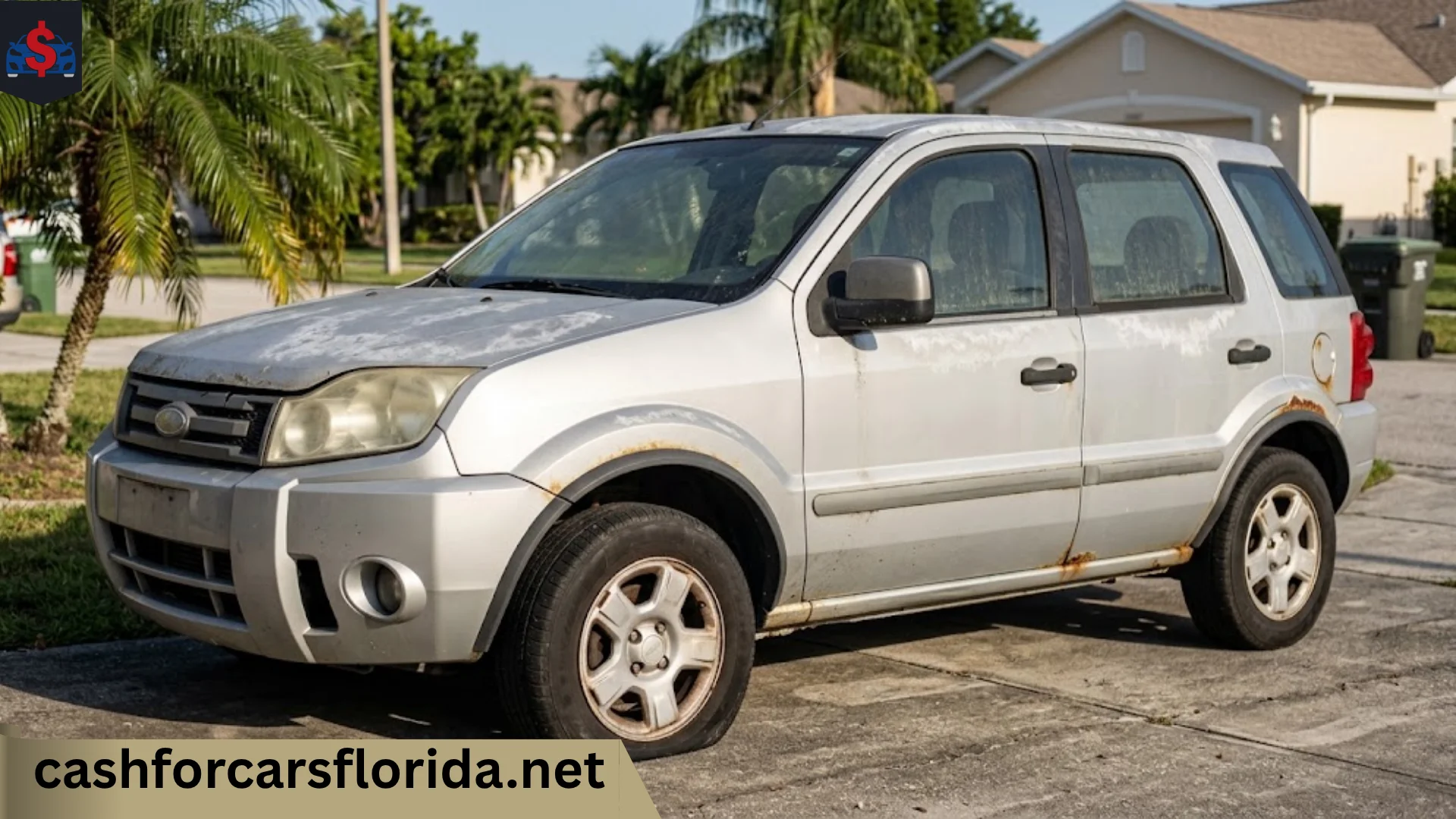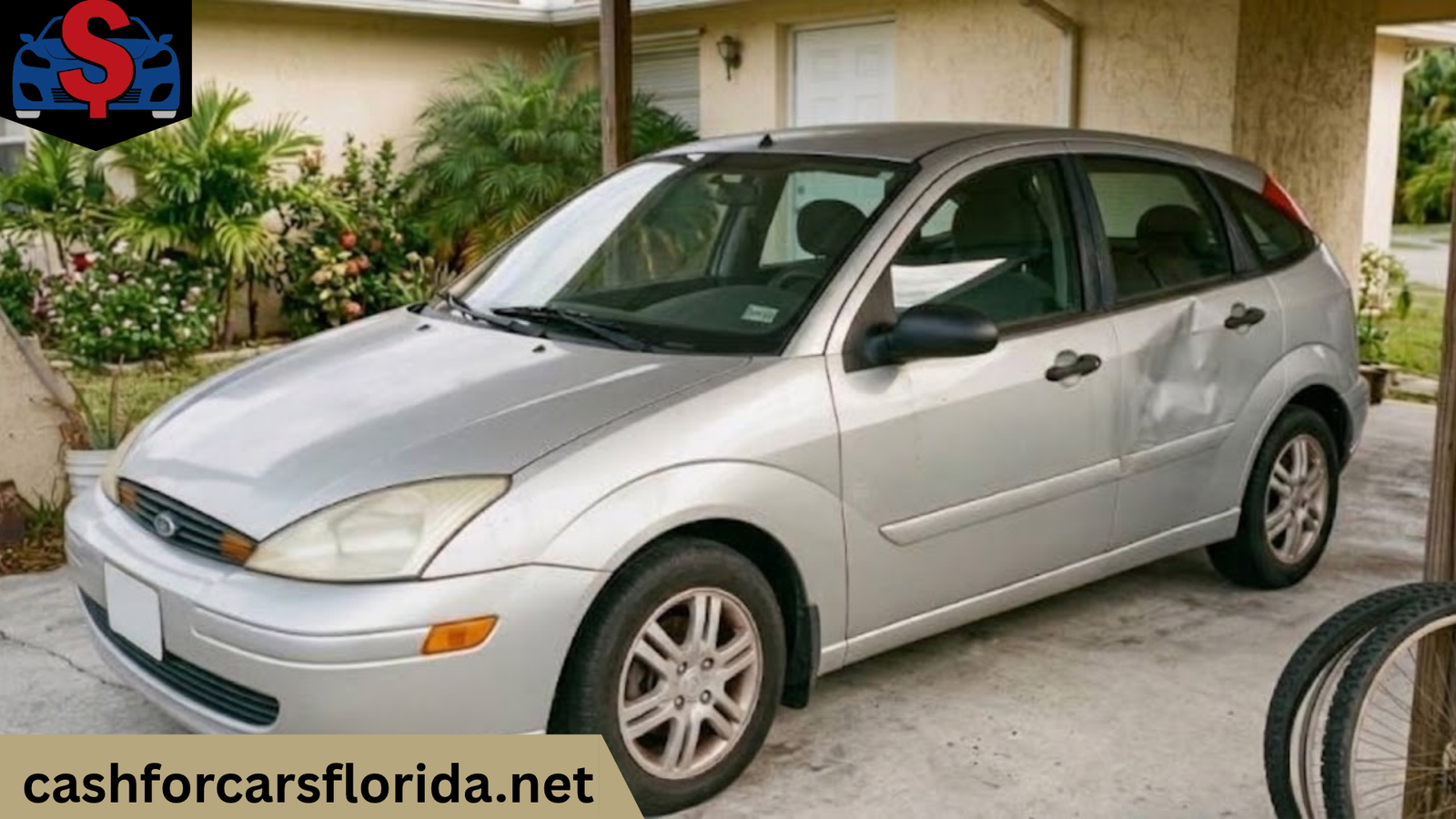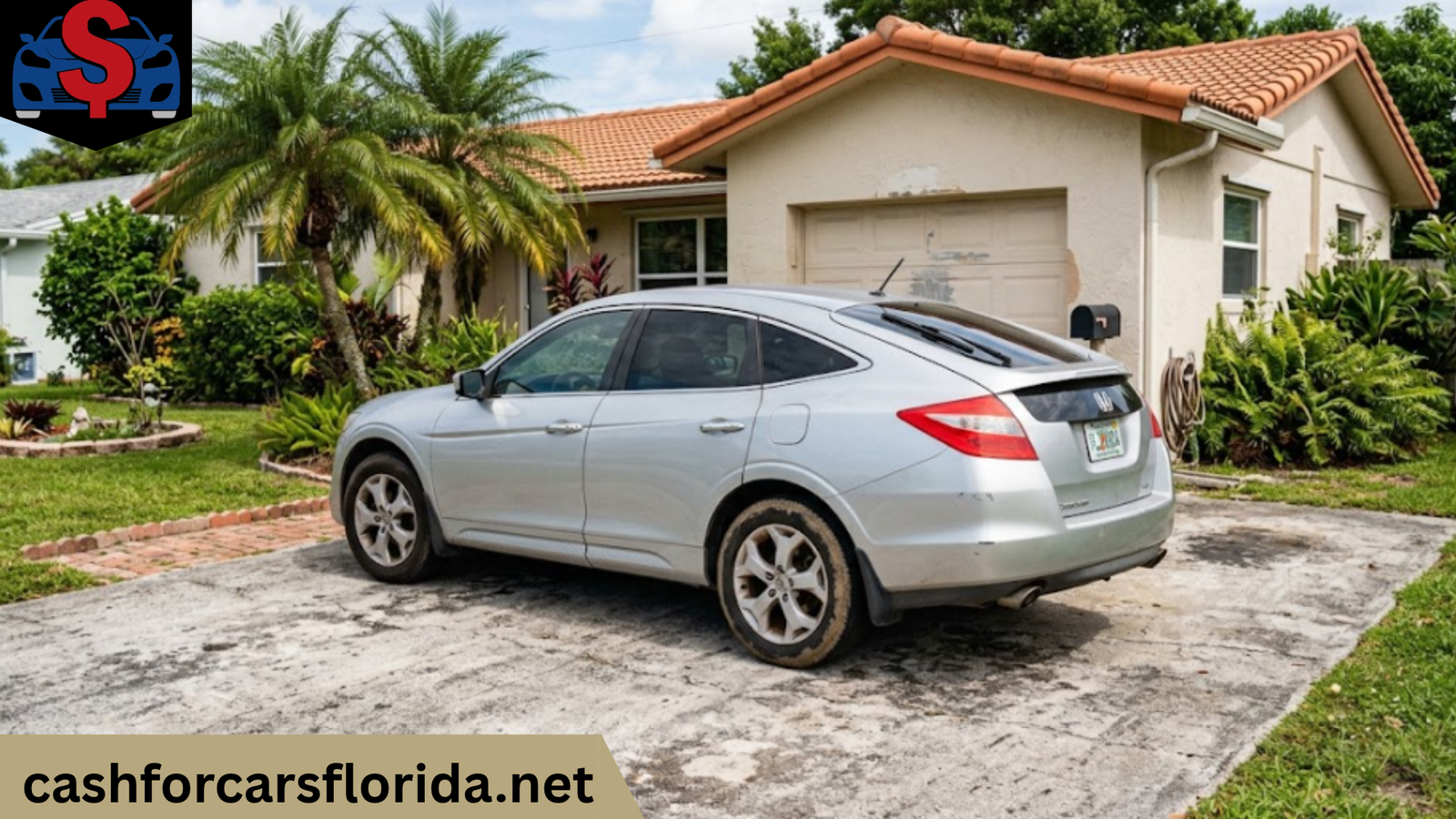

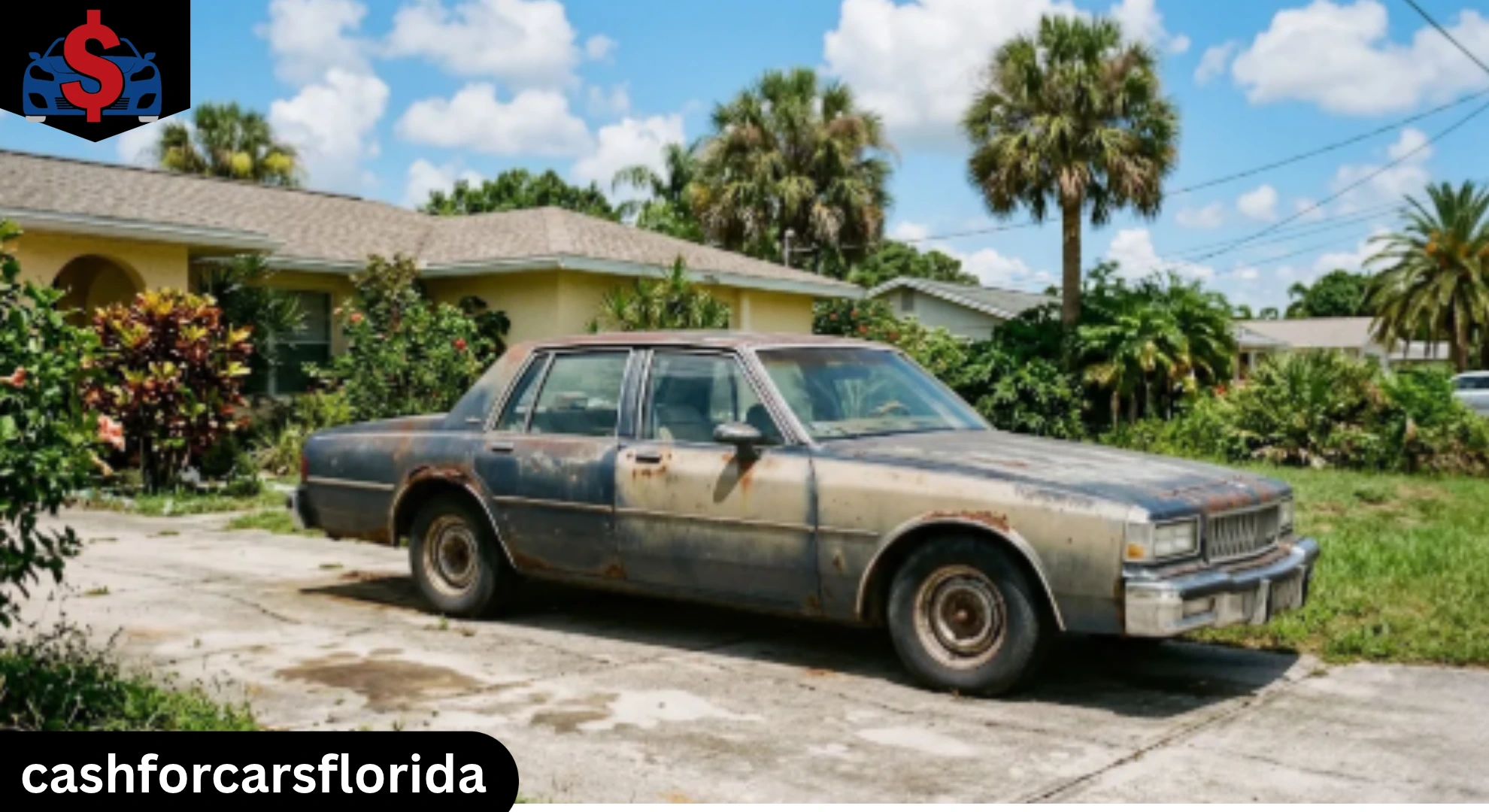
If you have an old, damaged, or non-running vehicle sitting in your driveway, one question probably comes up right away: how much will I get to junk my car? There is no single number, and anyone who promises one without seeing your car is guessing. Two cars that look almost identical can receive very different offers, because junk car buyers don’t price a vehicle by how it looks. They price it by its weight in metal, the value of its parts, and how easily it can be resold or recycled.
The good news is that the process is predictable once you know what buyers look at. You can tell whether your offer will land on the lower or higher end, avoid mistakes that quietly cost sellers money, and spot buyers who aren’t being upfront.
This guide explains how junk car value is determined, what you can do to improve your offer, how selling works in Florida, and which red flags to watch for. If you’d rather skip ahead and see where your car stands, you can get a free junk car quote based on your vehicle’s details.
The Short Answer: Five Things Set Your Offer
Nearly every junk car offer comes down to these factors:
- Weight: how much scrap metal the car contains
- Make, model, and year: whether its parts are in demand
- Condition and completeness: whether major components are still on the car
- Title and paperwork: whether the sale is simple and legally clean
- Location and market timing: how far the tow is and what the scrap market is doing
The sections below break each one down.
How Junk Car Buyers Calculate an Offer
A junk car buyer is really asking two questions: What is this car worth as scrap? and Is it worth more as parts or for resale?
The first answer is the scrap value, which acts as the floor. Steel, aluminum, copper wiring, and other metals have market value, and scrap yards pay by weight. Even a car that won’t start and has been sitting for years still contains metal worth recycling, which is why scrap car buyers will take vehicles most people assume are worthless.
The second answer is the parts and resale value, which is where an offer can rise above the floor. If the engine runs, the transmission shifts, or the body panels are in good shape, the buyer can sell those components to repair shops and used-parts dealers. The more of the car that’s reusable, the more room the buyer has to make a stronger offer.
Finally, the buyer accounts for their own costs: towing, labor, storage, and paperwork. What’s left becomes your offer. That’s why quotes vary between companies. A buyer with a nearby truck, a parts customer waiting for your model, and lower overhead can simply afford to offer more.
7 Factors That Affect How Much You’ll Get for a Junk Car
1. Weight and Size
Scrap is sold by weight, so heavier vehicles usually have a higher baseline. A full-size pickup or three-row SUV contains far more metal than a compact sedan. If two cars are in the same condition, the heavier one will generally get the stronger scrap-based offer.
You can find your car’s curb weight in the owner’s manual, on the sticker inside the driver’s door jamb, or by searching your year, make, and model. Giving buyers accurate details up front leads to a more accurate quote.
2. Make, Model, and Year
Parts demand is a major driver. Vehicles that are common on Florida roads, such as popular sedans, pickups, and SUVs from brands like Toyota, Honda, and Ford, tend to have a steady market for used parts. A buyer knows they can move a door, alternator, or set of headlights quickly, and they factor that into the offer.
Rarer or much older models can go either way. Some are hard to find parts for, while others attract restoration interest. Newer vehicles with accident damage often hold the most parts value of all, because so much of the car still works.
3. Overall Condition
Condition is more than “does it run?” Buyers typically look at:
- Whether the engine and transmission are intact
- Body damage, rust, and fire or flood damage
- Interior condition
- Whether the tires and wheels are usable
- How long the car has been sitting
A car driven until a single major failure usually has more value than one that has been stripped, burned, or left in a field for years. Florida adds a twist: flood exposure and heavy humidity can hurt the value of electronics and interiors, so be upfront if your car has been through either.
4. Missing or Removed Parts
If major components are gone, the offer will reflect it. The catalytic converter is the most common example. It contains valuable metals, so buyers will always ask if it’s still on the car. The engine, transmission, battery, and wheels matter too.
Here’s where many sellers go wrong: pulling parts yourself before requesting a quote rarely pays off. Selling individual parts takes time, tools, and know-how, and a buyer will often discount the whole car by more than you’d gain. Unless you’re experienced and want the project, it’s usually smarter to sell the car completely.
5. Title and Paperwork
A clear title in your name is the fastest route to a smooth sale and a stronger offer. It shows the car is legally yours to sell and lets the buyer process it without extra steps.
If you don’t have a title, selling may still be possible, but options can be narrower and the offer may be lower because the buyer takes on more paperwork. Rules for titles and older vehicles can change, so confirm current requirements with the Florida Department of Highway Safety and Motor Vehicles (FLHSMV) or ask your buyer exactly what documents they accept. Our guide to selling a car without a title explains your options.
6. Location and Towing Distance
The closer you are to the buyer’s yard or tow network, the less it costs them to collect your car, which can improve your offer. Competition matters too. In busy metro areas like Miami, Tampa, Orlando, and Jacksonville, several buyers may operate in the same area, giving sellers more leverage. In rural parts of the state, there may be fewer options and longer tow distances.
Most reputable buyers include towing, but always confirm that before you agree to anything. Learn more about how our free pickup process works.
7. Scrap Market Conditions
Scrap metal prices move with the broader commodities market, including steel demand, global trade, and the economy. That means the same car can get a somewhat different offer in different months. You can’t control the market, but you can avoid waiting too long on a car that’s deteriorating. In Florida’s heat, rain, and humidity, time outdoors usually hurts condition more than waiting helps the market.
Junk Car vs. Salvage Car vs. Used Car
People use these terms interchangeably, but buyers don’t, and the category your car falls into affects how it’s valued.
- Junk car: Old, damaged, or not worth repairing. It’s valued mainly for scrap metal and reusable parts.
- Salvage car: A vehicle an insurer has declared a total loss, often after an accident, flood, or theft. It carries a salvage title and may still be repairable, which can make it worth more than pure scrap. Buyers that handle damaged and wrecked cars look at these vehicles differently from standard junk.
- Used car: A vehicle that runs, drives, and passes basic safety checks. Its value follows the retail or trade-in market, which is typically higher than junk value.
Before selling as junk, ask yourself honestly whether your car might fit the used or salvage category. A vehicle with a minor, fixable problem may be worth more to a dealer, a private buyer, or a repair shop than to a scrapper. Comparing quotes will tell you quickly.
How to Get the Most Money for Your Junk Car
You can’t change your car’s age or weight, but several things are in your control.
Get Multiple Quotes
This is the single most effective step. Buyers use different parts networks, tow routes, and overhead, so offers vary. A few quotes take only minutes and show you what the market looks like for your specific vehicle.
Describe Your Car Accurately
Provide the year, make, model, mileage, condition, and VIN. Mention what’s wrong, what’s missing, and whether it starts. Vague or overly optimistic descriptions are the top reason quotes get reduced at pickup, which wastes everyone’s time.
Keep the Car Complete
Leave the engine, transmission, catalytic converter, battery, and wheels in place. A complete car is easier to value and typically earns a better offer than one that’s been picked over.
Have Your Paperwork Ready
Locate your title, photo ID, and registration before you call. If there’s a lien, contact your lender early to learn what’s needed to release it. Paperwork delays can slow the sale or weaken your offer.
Ask What’s Included
Before accepting, confirm in writing or by text:
- That towing is included
- That there are no administrative or hidden fees
- How and when you’ll be paid
- What documents you’ll receive
Consider Your Alternatives
If your car runs or needs only a moderate repair, compare a junk buyer’s offer with a dealer trade-in, a private sale, or a mechanic’s estimate. The right choice depends on how much time and effort you want to spend. For many people, a fast, hassle-free sale is the real value.
How to Sell Your Junk Car in Florida, Step by Step
- Gather your vehicle details. Year, make, model, mileage, condition, location, and VIN.
- Request quotes. Start by requesting a free offer and compare it with other reputable buyers.
- Choose the best overall offer. Look beyond the number. Consider reviews, pickup timing, and payment method. Our guide on who gives the most cash for junk cars explains what to compare.
- Confirm the details. Verify the pickup window, towing, payment method, and paperwork.
- Prepare the title and bill of sale. Sign when you’re ready, as the buyer’s process requires, and keep copies of everything.
- Clear out your belongings. Check the glove box, trunk, under the seats, and for toll transponders or garage remotes.
- Remove your license plate. In Florida, plates generally stay with the owner, not the vehicle. Confirm current plate rules with FLHSMV.
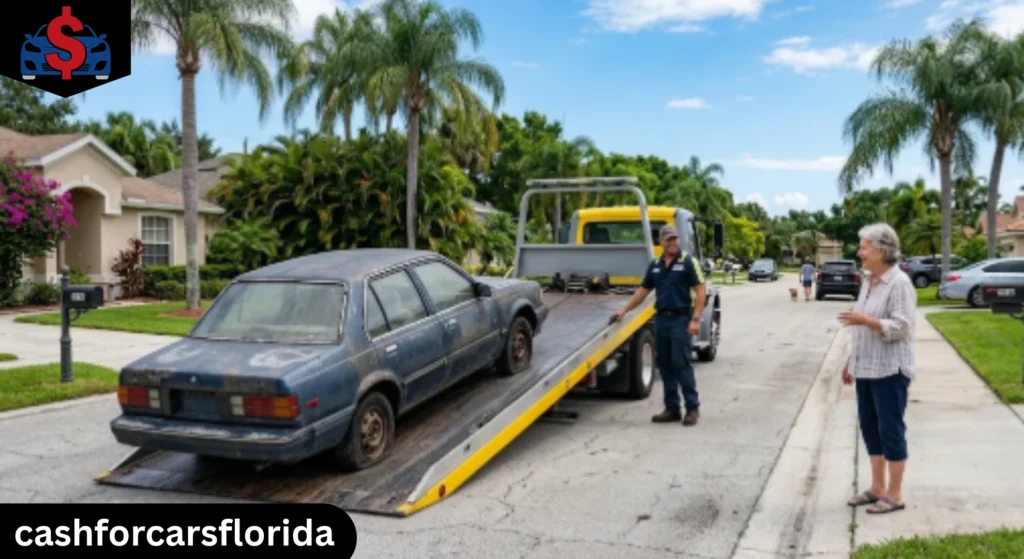
- Get paid at pickup. Payment should happen when the car is collected, not weeks later.
- Notify FLHSMV of the sale. Reporting the sale helps protect you from tickets, tolls, or liability after the car leaves your hands.
- Update your insurance. Cancel or change your policy only after the sale is complete and documented.
If you’d like us to handle pickup and paperwork, see our cash for junk cars in Florida service.
Common Mistakes That Lower Your Payout
- Accepting the first offer without comparing. A few extra minutes can make a meaningful difference.
- Stripping the car first. It’s often more work for less return.
- Hiding problems. Undisclosed flood damage, a missing engine, or a lien will surface at pickup and can reduce or cancel the deal.
- Waiting too long. A car left outdoors in Florida keeps losing value.
- Skipping the paperwork. Handing over a car without a bill of sale and a record of transfer can leave you responsible for it.
Red Flags to Watch For
Most junk car buyers are professional, but a few use tactics that put sellers at a disadvantage. Be cautious if you notice:
- A quote that suddenly drops at pickup with no clear explanation
- Hidden towing, processing, or administrative fees
- A buyer who won’t confirm they’re licensed or share business details
- Pressure to sign over the title before payment
- No bill of sale or receipt
- Offers that sound too good to be true
A trustworthy buyer explains how they arrived at the offer, answers your questions plainly, and gives you documentation when the sale is complete.
Why Florida Sellers Have Some Advantages
Florida has a large, active market for junk and used vehicles. High traffic volume, a steady supply of older cars, and strong demand for used parts mean many sellers can find multiple buyers close by. In metro areas, same-day or next-day pickup is often realistic. In smaller communities, confirming service availability first saves time. You can check our service areas across all 67 counties to see whether we cover your city.
The flip side is that Florida’s climate is hard on parked cars. Sun, salt air, humidity, and storms speed up rust, interior damage, and electrical problems. If you’ve decided to sell, doing it sooner generally works in your favor.
FAQs
How much will I get to junk my car?
It depends on your car’s weight, make, model, condition, title status, location, and current scrap market conditions. Heavier vehicles, popular models, and cars that still have their major parts typically receive stronger offers. The most reliable way to find out is to request a quote based on your car’s details.
Do I get more if my car still runs?
Usually, yes. A running car has more resale and parts value than a non-running one, even if it’s old or cosmetically rough. If yours runs, compare a junk buyer’s offer with other selling options, including buyers who purchase used cars in running condition.
Can I junk a car without a title in Florida?
In many cases, yes, but the process is more involved and requirements depend on the vehicle and circumstances. Contact FLHSMV or ask your buyer which documents they accept before scheduling pickup.
Does the catalytic converter affect my offer?
Yes. It contains valuable metals, so buyers will ask whether it’s still on the car. A missing converter generally lowers the offer.
Can I sell a junk car that has a lien?
Usually, the lien must be paid off or released by the lender before the sale can be completed. Contact your lender to confirm the process.
Is towing really free?
Many reputable junk car buyers include towing, but confirm it before accepting an offer, along with any other fees.
How fast can I get paid?
Many buyers can arrange pickup within a day or two and pay when the car is collected. Timing depends on your location, the buyer’s schedule, and how quickly your paperwork is ready.
What should I do with my license plate?
In Florida, plates generally stay with the owner. Remove yours before the car is towed and check current FLHSMV guidance on what to do with it.
What if my car was in a flood or fire?
You can usually still sell it. Just disclose the damage accurately, since it affects parts value and the buyer’s plan for the car.
Should I fix my car before selling it as junk?
In most cases, no. Repair costs usually exceed the value added, unless the fix is small and would move the car out of the junk category entirely.
Final Thoughts
So, how much will you get to junk your car? It comes down to weight, make and model, condition, paperwork, and location, plus the buyer’s costs and the scrap market at the time you sell. Heavier vehicles, popular models, complete cars with a clear title, and sellers who compare offers tend to do best.
You don’t need to fix, clean, or strip the car. You just need accurate information, your paperwork in order, and a buyer who’s upfront about how they price the car and what’s included.
Ready to see what your car is worth? Get your free cash offer from Cash for Cars Florida. Tell us about your vehicle, and we’ll give you a clear answer with no pressure.