
If you’ve got a car sitting in your driveway that hasn’t started in months, or one that just failed inspection for the third time, you’ve probably already asked yourself the obvious question: what do I actually do with this thing? Selling a car that runs and looks decent is easy. Selling one that’s rusted, wrecked, or dead in the engine bay is a different story, and most Florida drivers don’t realize how many options they actually have until they start digging.
This guide walks through the real choices available to you, what each one actually pays, and why more Florida sellers are skipping the hassle altogether and going straight to a junk car buyer.
When Does a Car Officially Become “Junk”?
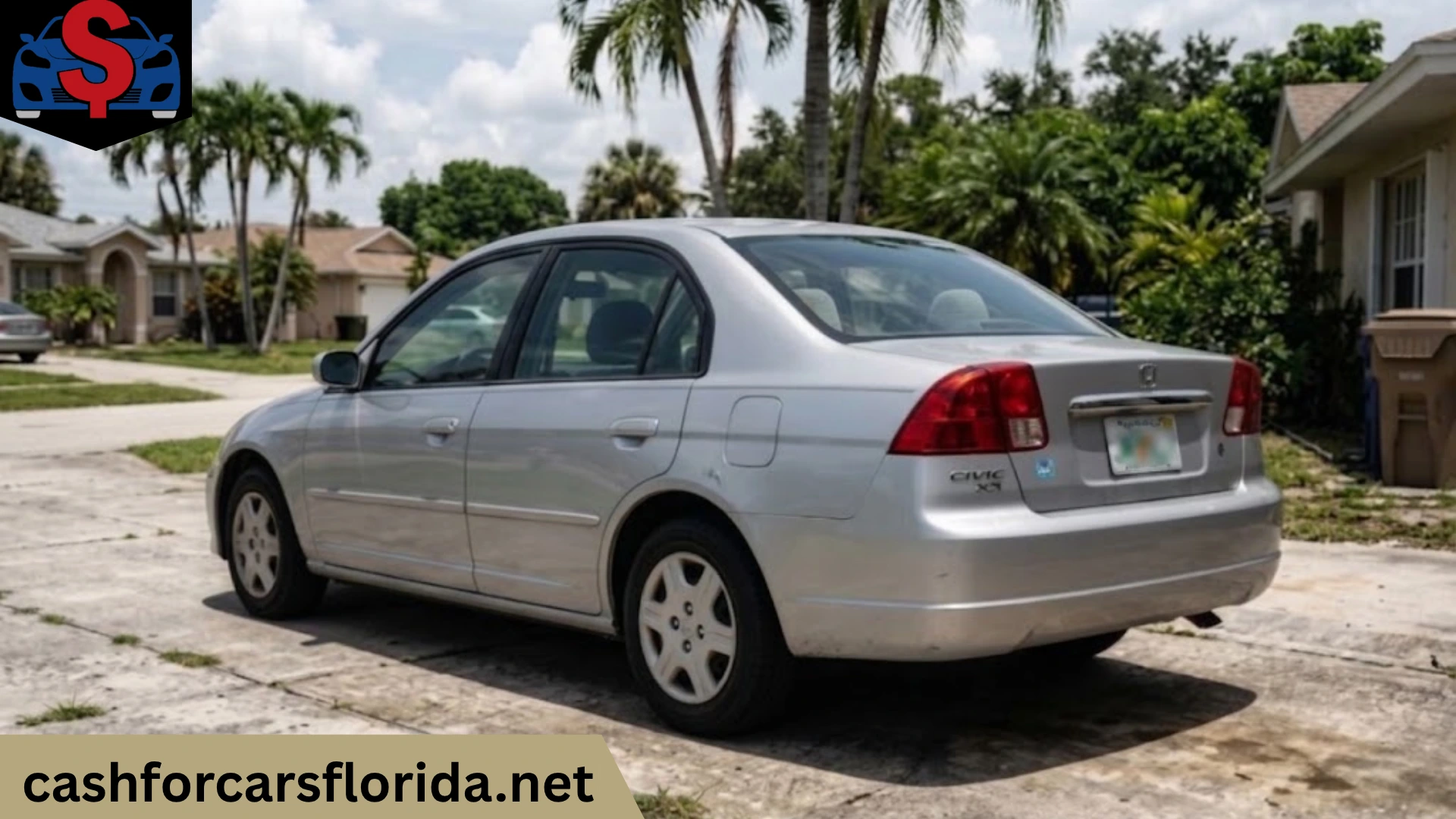
There’s no strict legal line in Florida that turns a car into a “junk car” overnight, but in practice, a vehicle usually earns that label when the cost of fixing it is close to or higher than what it’s worth. That could mean a blown transmission, a flooded engine from hurricane season, a salvage title from an accident, or simply a car that’s racked up 200,000-plus miles and stopped being reliable.
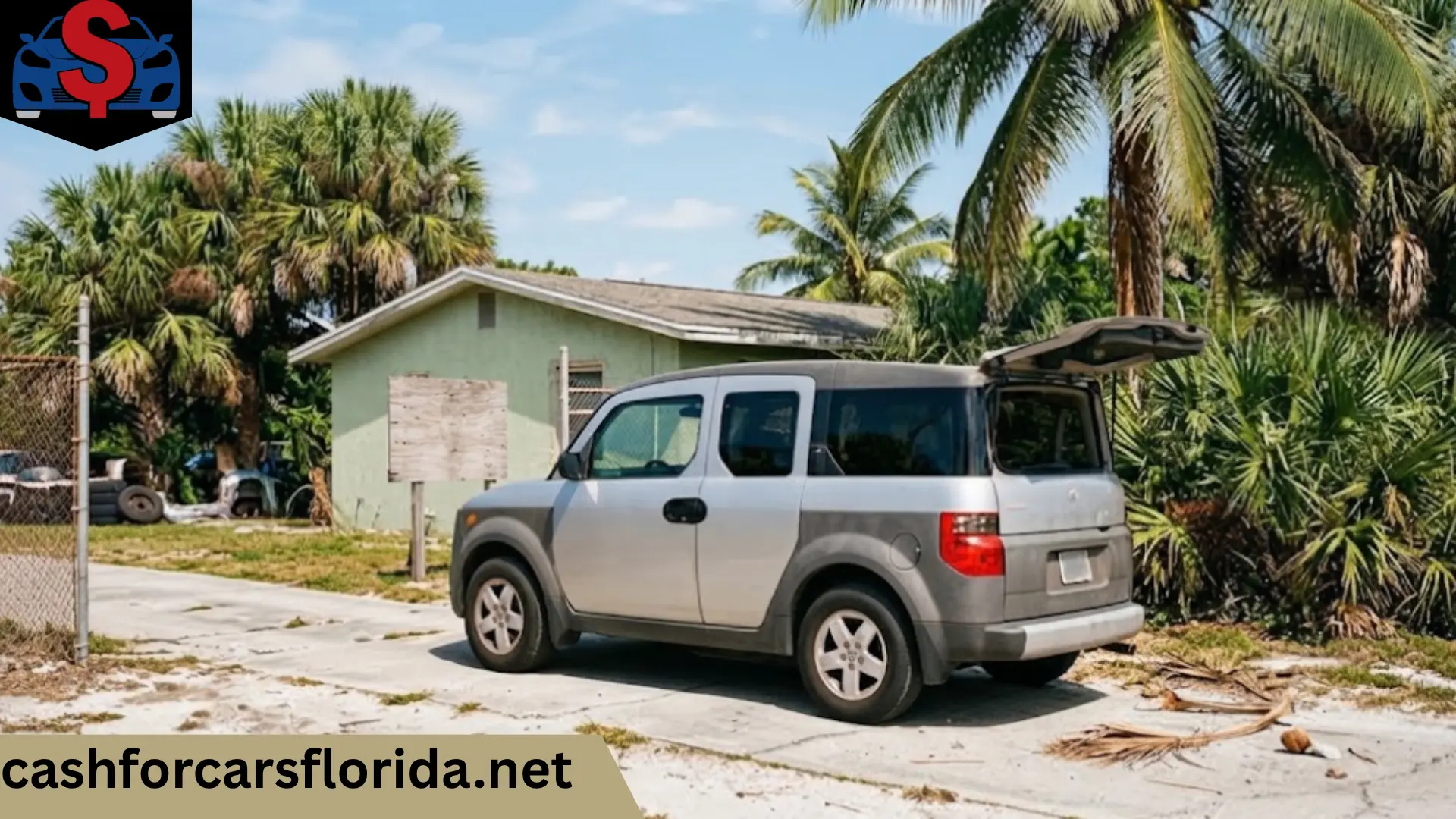
It doesn’t have to look like a junkyard reject, either. Plenty of “junk” cars still run. They just aren’t worth the repair bill, the insurance, or the tag renewal anymore. If you’re at that point, the car has shifted from an asset into a liability sitting on your property, and that’s exactly when it’s time to sell.
How Much Is a Junk Car Actually Worth?
This is where most people get surprised, in both directions. A junk car isn’t worthless, but it also isn’t worth what a working version of the same model would fetch. Buyers are mostly paying for two things: scrap metal weight and any parts that can be pulled and resold, like a working transmission, catalytic converter, alternator, or intact body panels.
A few things move the number up or down:
- The vehicle’s weight (heavier cars and trucks generally scrap for more)
- Current scrap metal prices, which shift throughout the year
- Whether the engine and transmission are intact
- How complete the car is, missing parts lower the offer
- Your location in Florida and how far a buyer has to tow it
In most cases, junk cars in Florida land somewhere between a couple hundred dollars and just over a thousand, depending on the vehicle. Larger trucks and SUVs with a solid engine tend to land on the higher end. A stripped compact sedan with a cracked block lands closer to scrap value alone.
Selling to a Local Junk Car Buyer
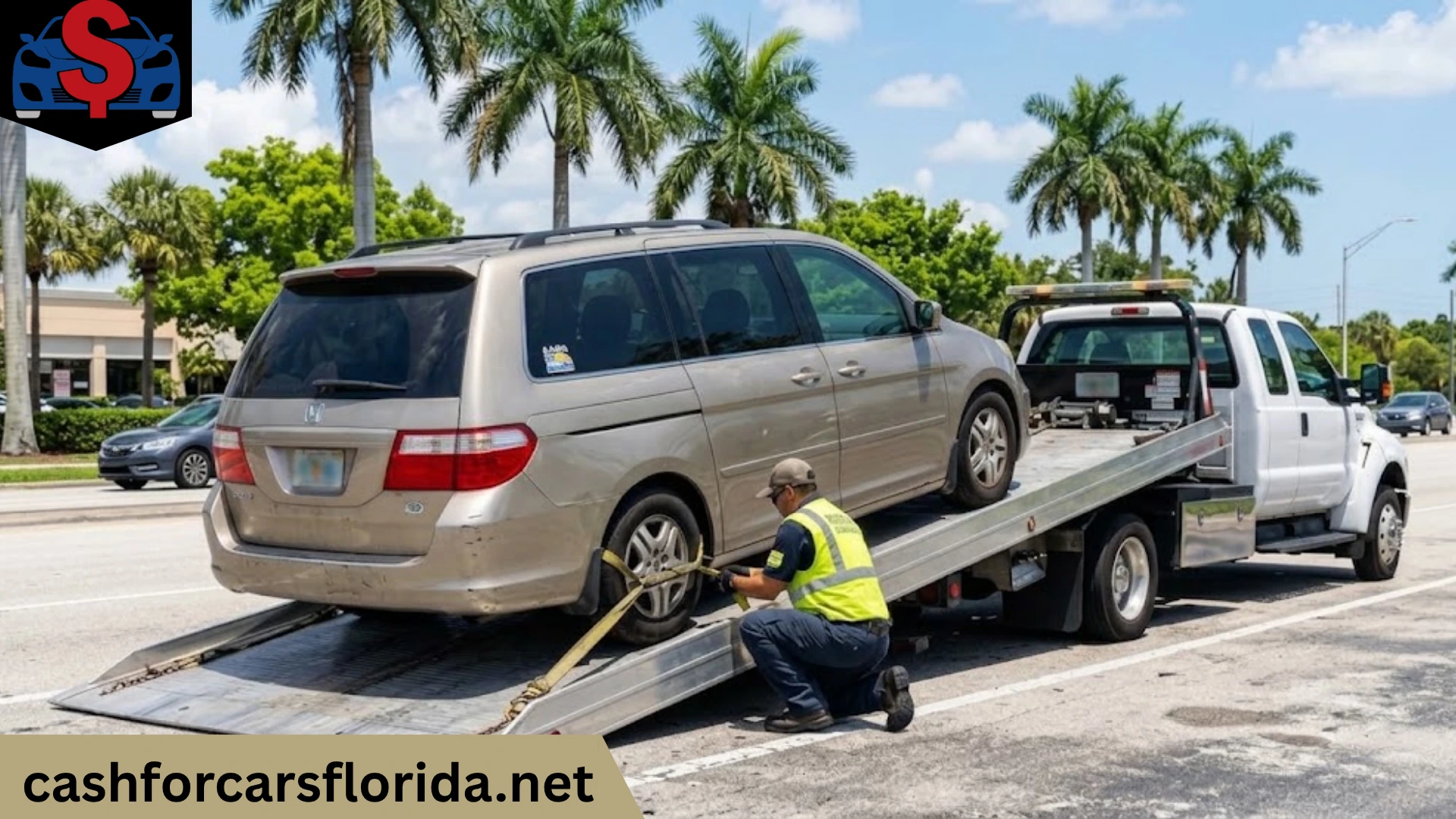
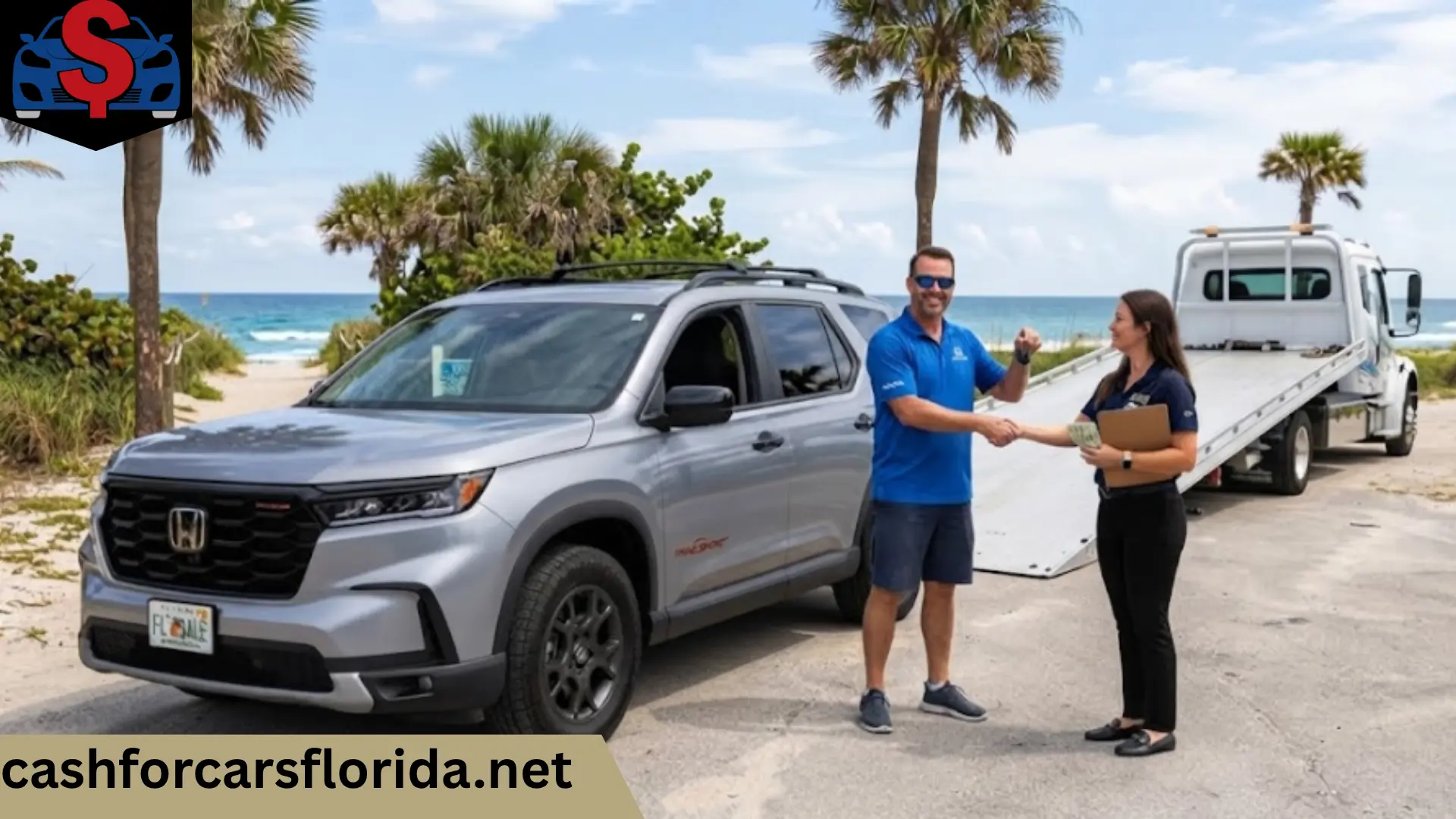
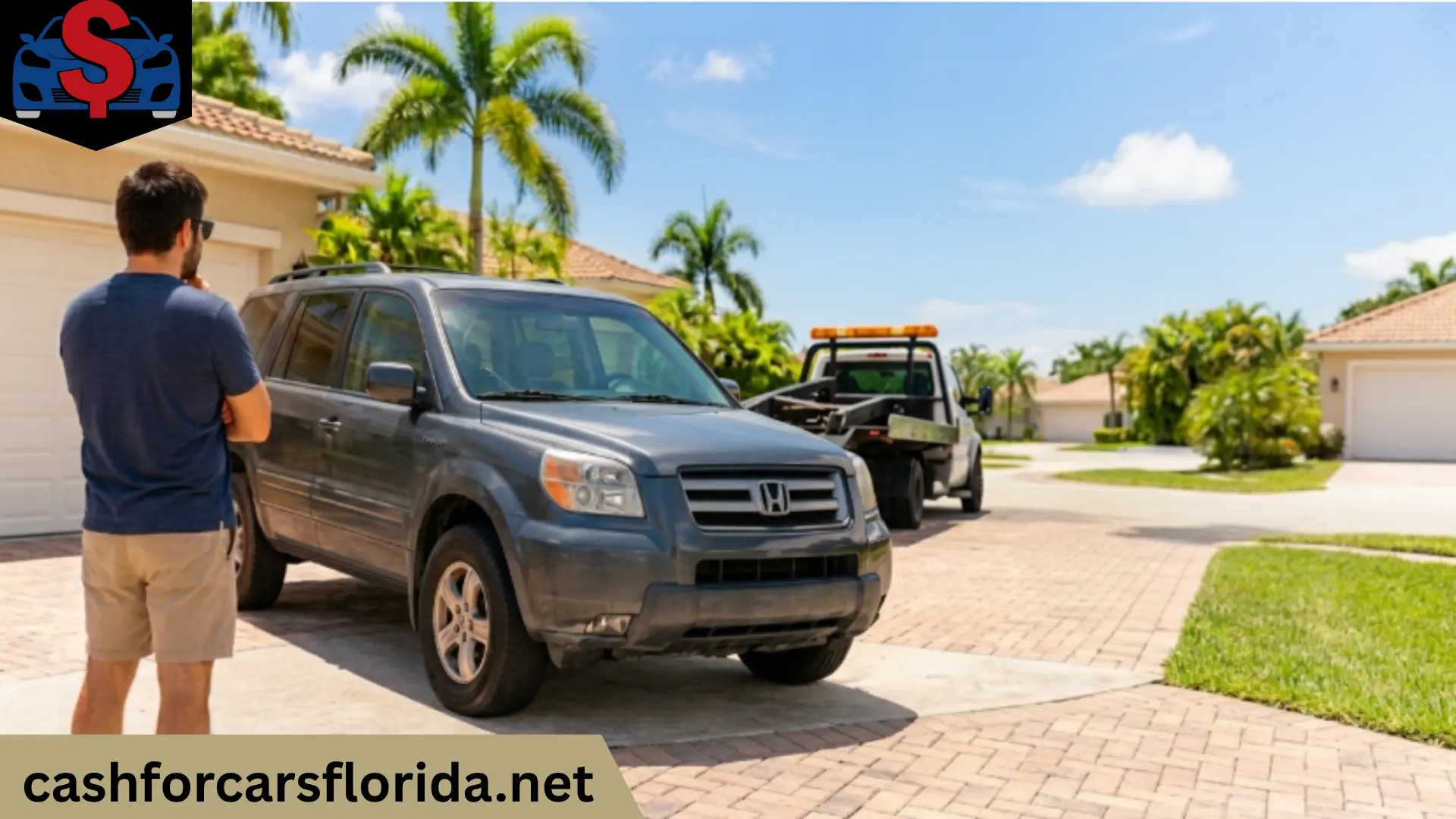
This is the route most Florida sellers end up choosing, and for good reason. Companies that specialize in buying junk cars handle the entire process: they give you a quote based on your car’s year, make, model, and condition, then send a truck to pick it up, usually within a day or two. You don’t drive anywhere, you don’t post an ad, and you get paid on the spot when the tow arrives.
The tradeoff is that you’re selling for convenience, not top dollar. A junk car buyer is going to offer a number based on scrap and parts value, not what a used car listing site says your model is “worth.” But for a car that doesn’t run, isn’t street legal, or just isn’t worth advertising, this is usually the fastest way to actually turn it into cash rather than another weekend project that never happens.
If speed and zero effort matter more to you than squeezing out an extra hundred dollars, this is generally the best way to sell a junk car in Florida, especially if the vehicle can’t be driven or doesn’t have a clean title.
Traditional Junkyards and Scrap Yards
Driving the car to a local scrap yard yourself is the old-school method, and it still works if the vehicle can move under its own power or on a trailer you already have access to. Scrap yards typically pay based on the day’s metal prices, weighed right there on-site, plus a bit extra if the engine and other parts are intact.
The catch is that if your car doesn’t run, you’re either paying for a tow yourself or negotiating a lower price to offset the yard’s cost to come get it. Many yards will also want to see a title before they’ll hand over cash, and hours can be limited, so this option works best for people who don’t mind driving the car in themselves and don’t need same-day payment guaranteed.
Donating the Vehicle
If getting a tax deduction matters more to you than getting cash, donating a junk car to a charity is worth a look. Most donation programs will tow the vehicle for free, and you’ll receive a receipt you can use at tax time based on the sale price the charity gets when it’s auctioned or scrapped.
This isn’t the move if you need money now. The value comes back to you months later in the form of a deduction, and it’s usually smaller than what a junk car buyer would pay upfront. It fits best for older vehicles you were planning to just get rid of anyway, where the tax benefit outweighs a quick cash offer.
Does the Season Affect What You Get Paid?
Florida’s climate plays a bigger role in junk car value than most sellers expect. Cars left outside through summer storms and hurricane season tend to develop rust, electrical issues, and interior mold faster than in drier states, which chips away at resale and parts value the longer a vehicle sits. Scrap metal prices also shift throughout the year based on national demand, so the same car might fetch a slightly different offer in March than it would in October.
None of this means you should panic and sell the moment something breaks. It just means there’s little upside to letting a dead car sit for months while you decide what to do. The condition only moves in one direction once a vehicle stops being driven and maintained.
What Paperwork Do You Need Before Selling?
Regardless of which route you choose, Florida requires a title to transfer ownership of a vehicle, junk or not. Before you sell, make sure you have:
- The vehicle’s title, signed over to the buyer
- A valid photo ID matching the name on the title
- The vehicle’s registration, if you still have it
- A bill of sale, which many buyers will provide for you
If the title is lost, Florida allows you to request a duplicate through the Department of Highway Safety and Motor Vehicles, though this can take time. Some junk car buyers will still work with you if the title is missing, but expect a lower offer or extra steps, since they take on more risk without clear proof of ownership.
Mistakes Florida Sellers Make Too Often
A few habits consistently cost people money or time when selling a junk car:
Skipping multiple quotes. Taking the first number you’re offered without checking at least one more source almost always leaves money on the table.
Forgetting personal belongings. Glove boxes, trunks, and center consoles regularly get emptied on pickup day, but people still leave phone chargers, sunglasses, and paperwork behind.
Not canceling insurance right away. Once the car is gone, there’s no reason to keep paying for coverage on it.
Ignoring the license plate. In Florida, you generally keep your plate and either transfer it to another vehicle or return it, rather than leaving it on the car for the new owner.
Waiting too long. Cars sitting outside in Florida’s heat and humidity only deteriorate further, which can lower the offer the longer you put off selling.
So What’s the Best Way to Sell a Junk Car?
There isn’t one single right answer for every situation, but for the majority of Florida sellers, especially anyone dealing with a car that doesn’t run, has a salvage title, or just needs to disappear from the driveway without a hassle, selling directly to a junk car buyer comes out ahead. It’s the fastest path from “car I don’t want” to cash in hand, with no towing costs, no strangers coming to look at it, and no waiting around for the right buyer to show up online.
If your car still runs well and you have time on your hands, listing it privately or checking a local scrap yard’s rates might get you a slightly better number. But for most people, the value of skipping the back-and-forth is worth more than the extra hundred dollars a private sale might bring in.
Visit: cashforcarsflorida.net
FAQs
Can I sell a junk car in Florida without a title?
It’s harder, but not always impossible. Some buyers will still make an offer with alternative proof of ownership, though most will ask you to get a duplicate title first, which you can request through the state’s motor vehicle department.
How fast can I get paid for a junk car?
With most local junk car buyers, you can get a quote the same day and have the car picked up with payment in hand within 24 to 48 hours.
Does it matter if my car doesn’t run?
No. Junk car buyers regularly take vehicles that won’t start, have engine damage, or were in an accident. A running engine can raise the offer, but it isn’t a requirement to sell.
What happens to my license plate after I sell?
In Florida, you keep the plate. You can transfer it to another vehicle you own or return it to a local tax collector’s office once the sale is complete.
Is selling to a junk car buyer better than a dealership trade-in?
For a car in poor condition, usually yes. Dealerships tend to undervalue non-running or heavily damaged vehicles compared to buyers who specifically deal in junk cars for parts and scrap.