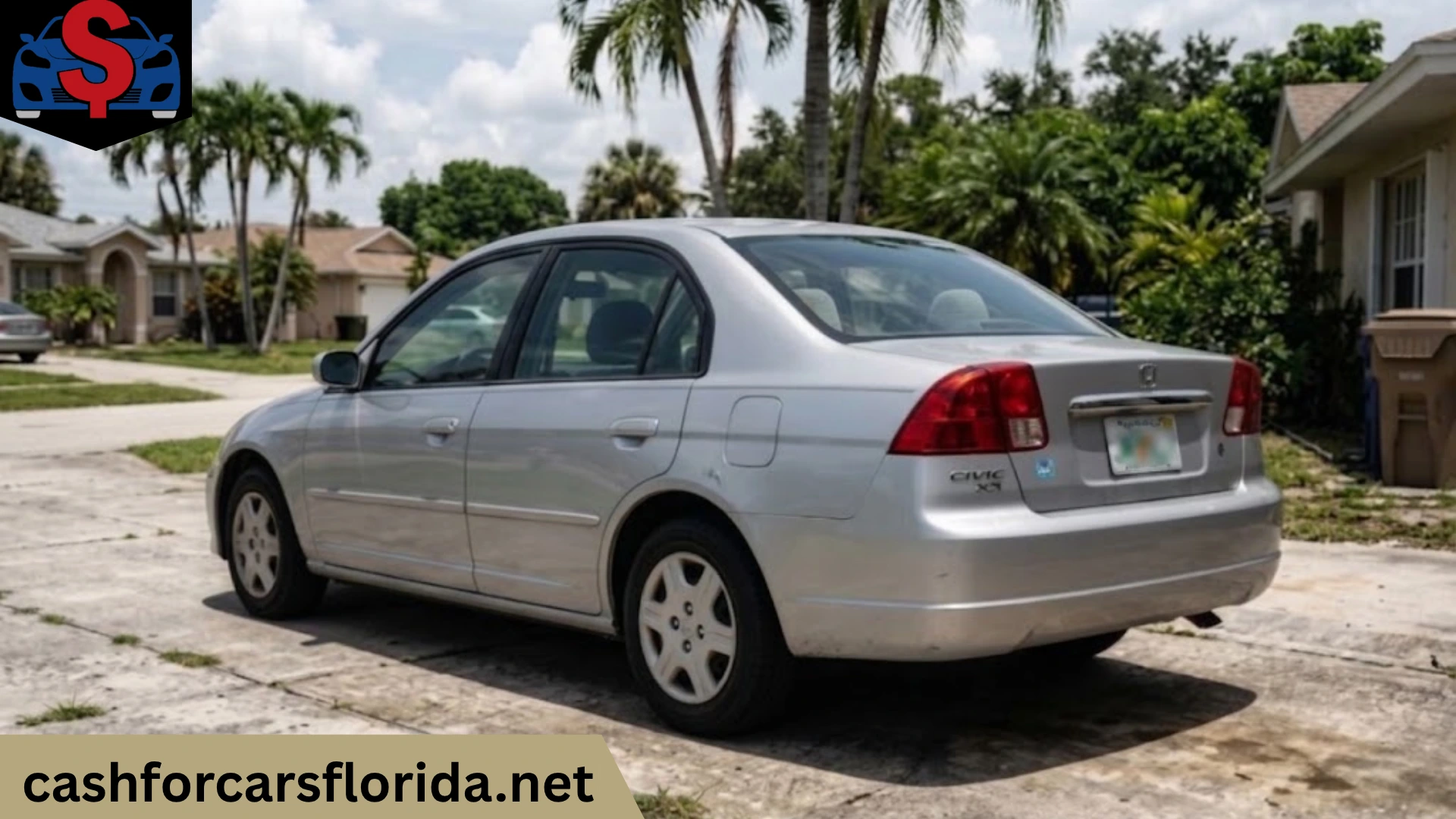

That old car sitting in your driveway isn’t doing you any favors. Every week it sits there, it loses a little more value, takes up space you could use for something else, and quietly reminds you it needs to go. If you’ve been putting off dealing with it because you assumed nobody would want a car that doesn’t run, or a truck with a cracked windshield and a bad transmission, it’s time to rethink that. In Florida, there’s a steady market for exactly these kinds of vehicles, and getting cash for one is a lot simpler than most people expect.
This guide walks through what “junk car” actually means to a buyer, how the selling process really works, what affects your payout, and the questions Florida sellers ask most often before they let go of an unwanted vehicle. Whether it’s a car that finally gave out after years of service or one that was totaled in an accident, there’s a straightforward path to turning it into cash instead of letting it depreciate in your driveway.
What Counts as Junk
People hear “junk car” and picture something on blocks with weeds growing through the hood. That’s rarely the reality. A junk car, in the eyes of most buyers, is simply a vehicle that’s no longer worth fixing or isn’t worth much on the traditional resale market. That covers a wide range:
- A car with a blown engine or failed transmission
- A vehicle that failed to pass emissions and isn’t worth repairing
- Storm-damaged or flood-affected vehicles
- Cars with rolled-back odometers or salvage titles
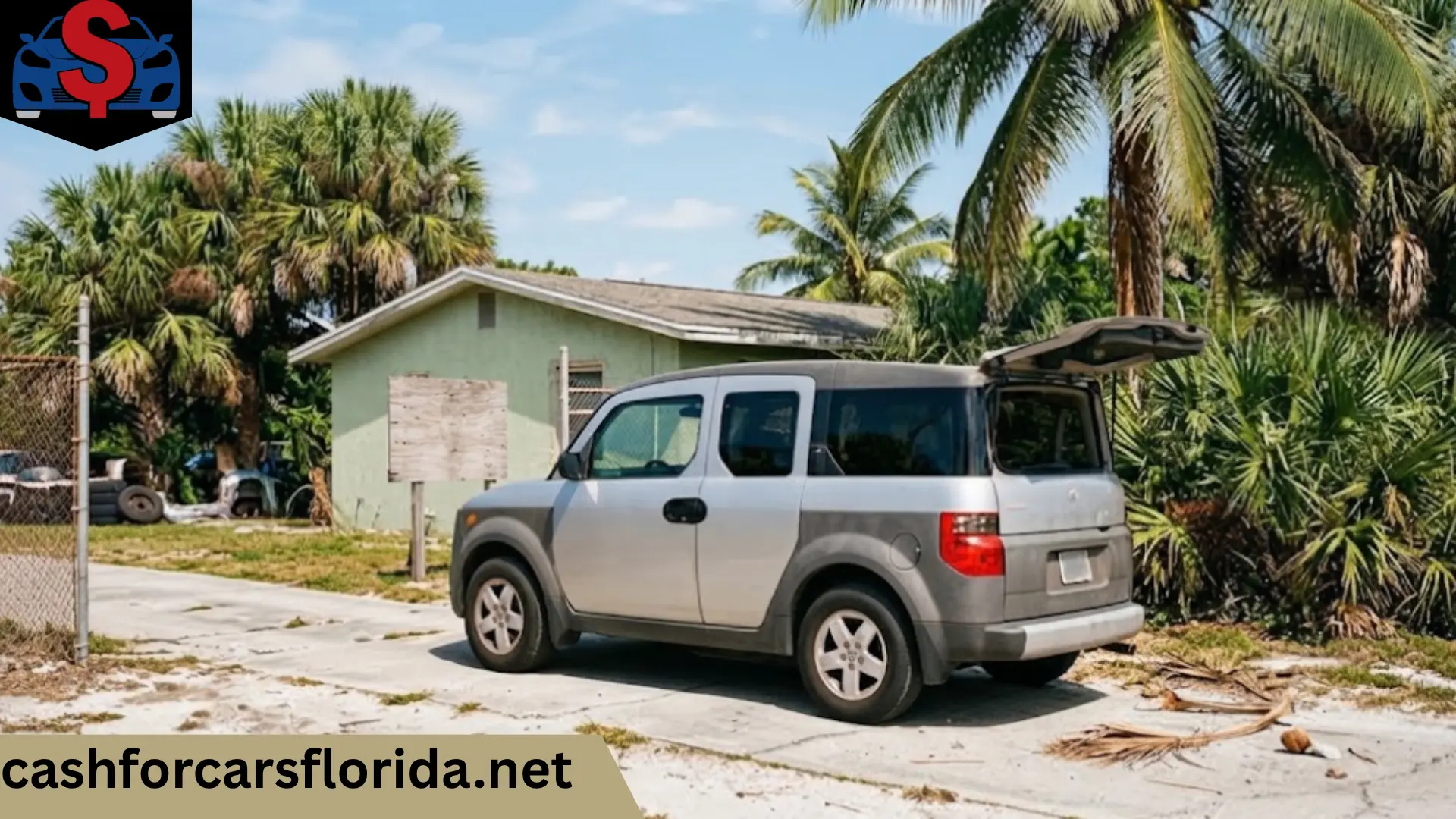
- Anything sitting unused for months or years with a dead battery and flat tires
- Vehicles missing major parts after an accident
If your car fits any of these descriptions, it still has value. Metal, working parts, and even fluids can be recovered and reused, which is exactly why buyers are willing to pay for vehicles that a private buyer on a classifieds site would never touch.
Why Selling Beats Sitting
Leaving a dead vehicle parked outside costs more than people realize. Florida’s humidity and heat speed up rust, mold, and pest problems inside a car that isn’t running. Insurance premiums and registration fees can keep adding up even on a vehicle you never drive. Some counties and HOAs also issue fines for inoperable vehicles left visibly parked on a property for too long.
Selling removes all of that at once. You stop paying to store a liability, you free up your driveway or garage, and you walk away with money instead of a growing list of problems.
Running or Not, It’s Fine
One of the biggest misconceptions is that a car needs to start for someone to buy it. That’s simply not true. Vehicles get purchased every day that haven’t turned over in years. Flat tires, missing catalytic converters, cracked windshields, hail damage, interior mold, engine fires none of it disqualifies a car from being worth cash. Buyers factor condition into the offer, but a non-running vehicle is still very much sellable.
Selling Without a Title
Losing a title is more common than people admit, and it shouldn’t stop you from selling. Florida allows several workarounds depending on your situation:
- If the car is more than ten years old, a Bill of Sale paired with an Affidavit form can often replace the title.
- If you still have the title but made a mistake filling it out, a duplicate can be requested from the Florida DMV.
- If the title is simply lost, a replacement can usually be ordered online or in person.
A reputable buyer will walk you through exactly which documents apply to your situation instead of leaving you to figure out DMV forms alone.
What Determines Your Offer
No two junk cars are priced the same way. A handful of factors shape what a buyer will offer:
- Weight and metal content: heavier vehicles like trucks and SUVs often bring in more from a scrap standpoint.
- Working components: a car with a good engine, transmission, or catalytic converter intact tends to be worth more, even if it doesn’t run.
- Make and model demand: some brands have parts that stay in demand longer, which raises resale value for parts buyers.
- Current scrap metal pricing: this shifts with the market, so offers can vary week to week.
- Distance and access: a vehicle that’s easy to reach and load onto a flatbed is simpler to process than one stuck somewhere hard to tow.
None of these should require a mechanic’s inspection on your end. A buyer familiar with the market can usually give you a fair number just from a description over the phone.
Every City, One Process
Florida is a big state, and junk car buyers who operate statewide cover far more ground than the small local yards. From Miami to Jacksonville, Tampa to Orlando, and the smaller towns in between, the process stays the same wherever you’re located. That matters if you live outside a major metro area and assume nobody would bother driving out for a single vehicle. Statewide coverage means your zip code isn’t a barrier.
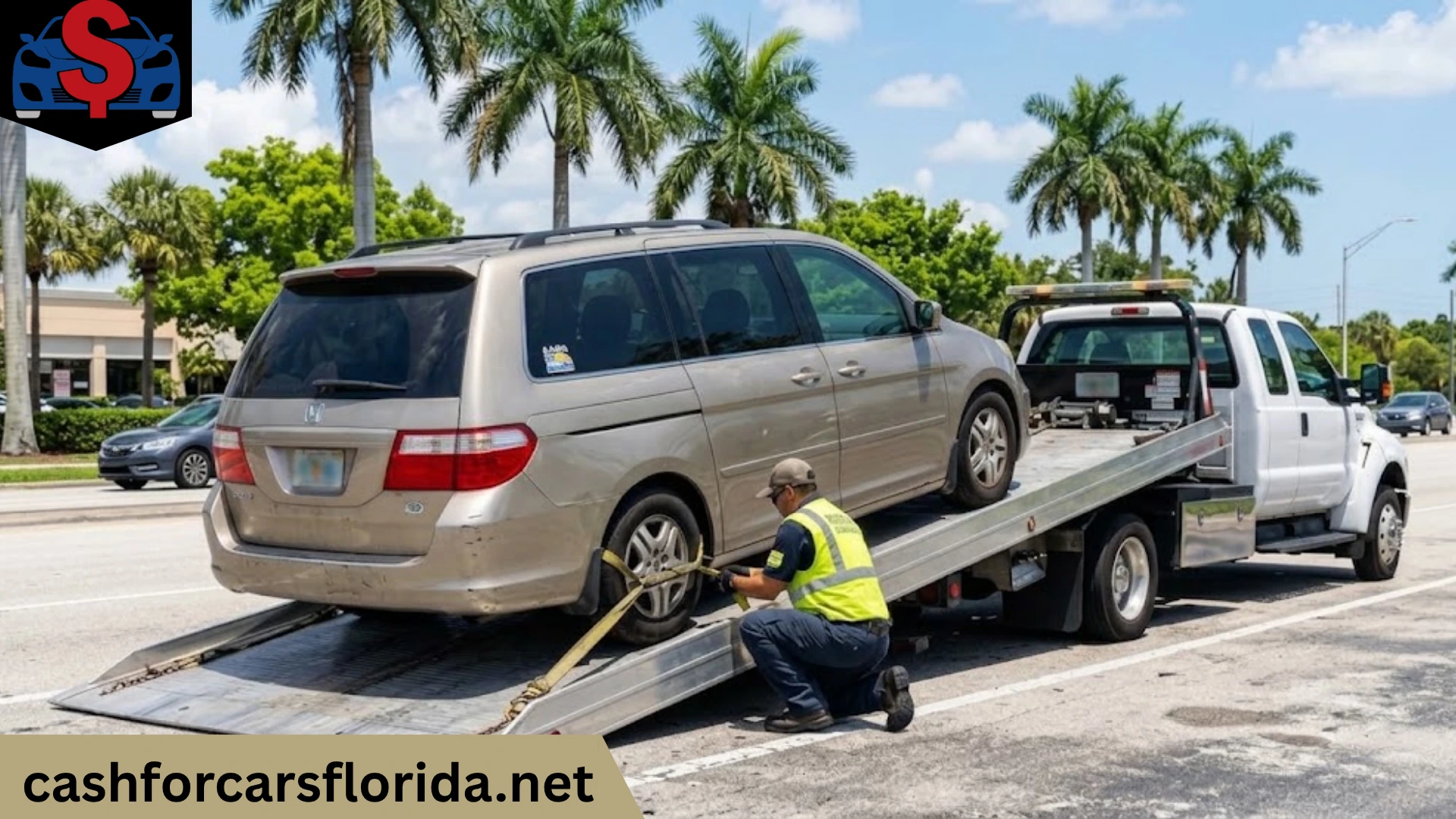
Towing Costs You Nothing
A legitimate cash offer for a junk car should already include towing. If a buyer tells you towing is extra, or tries to deduct it from your payout after agreeing on a price, that’s a sign to look elsewhere. Free pickup is standard in this industry because the buyer profits from the vehicle itself, not from charging you fees to remove it.
Mistakes to Avoid
A little bit of caution goes a long way when selling a car you no longer want dealing with:
- Don’t accept a “guaranteed” price without details: Any real offer requires basic information about your car first.
- Don’t sign anything before payment: Paperwork and payment should happen at the same time, not one before the other.
- Don’t ignore your license plate: Florida requires you to remove and either transfer or surrender your plate before the car is towed away.
- Don’t wait for a “better time: Vehicles only lose value the longer they sit, especially with rust and part deterioration.
- Don’t skip the paper trail: Keep a copy of the bill of sale or release of liability for your own records.
The Environmental Side
Letting an old car decay in a yard isn’t just an eyesore. Leaking fluids, degrading batteries, and rusting metal can seep into soil and groundwater over time. Selling to a buyer that recycles responsibly means fluids get drained properly, usable parts get a second life in other vehicles, and the metal gets processed instead of left to rot. It’s a small decision that has a real cleanup benefit.
Vehicle Types Accepted
People often assume a junk car buyer only wants sedans. In reality, the category is much broader:
- Sedans and coupes with high mileage or mechanical failures
- Trucks and pickups, even with bed damage or engine issues
- SUVs and minivans past their useful driving life
- Work vans retired from commercial use
- Motorcycles and smaller vehicles in select cases
Age isn’t a barrier either. A 1990s sedan and a five-year-old vehicle with major flood damage can both qualify, since the offer is based on condition and parts value rather than the model year alone.
Trust Matters More Than Price
The highest quoted number isn’t always the best deal. Some buyers advertise inflated offers online, then lower them once a tow truck arrives and finds “extra damage” that conveniently wasn’t mentioned before. The safest approach is working with a buyer who’s upfront from the first phone call, explains how the number was calculated, and doesn’t change the price at pickup unless the car’s actual condition genuinely differs from what was described.
Visit: cashforcarsflorida
Ready to Sell
If you’ve got a vehicle taking up space and collecting dust, there’s no reason to let it sit any longer. A quick call gets you a real cash offer, a scheduled pickup at your convenience, and payment the moment the tow truck leaves with your car. No repairs, no cleaning, no waiting around for a buyer to change their mind.
Call (888) 781-2436 today for a free, no-obligation offer on your junk car anywhere in Florida.
FAQs
Do I need a working car to sell it?
No. Vehicles that don’t start, have major mechanical failures, or haven’t run in years are bought regularly. Condition affects the offer amount, not whether a sale is possible.
Can I sell a car without a title in Florida?
Yes, in many cases. Vehicles over ten years old can often be sold with a Bill of Sale and Affidavit instead of a title. A buyer familiar with Florida DMV rules can confirm which option applies to you.
How fast can my car be picked up?
Same-day pickup is common once you accept an offer, though the exact timing depends on your location and schedule.
Is towing really free?
Yes, towing should be included at no extra cost as part of any legitimate cash offer. You shouldn’t be charged separately to have your vehicle removed.
What if my car was damaged in an accident or flood?
Damaged and flood-affected vehicles are still bought regularly. The offer reflects the condition, but accident history alone doesn’t stop a sale.
Do I get paid before or after the car is towed?
Payment typically happens right at pickup, once the paperwork is signed and the vehicle is loaded for towing.
What paperwork do I need ready?
A valid ID and the title (if you have one) cover most sales. If the title is missing, alternative documents like a Bill of Sale or Affidavit may be used instead.
Does my location in Florida matter?
Coverage extends across the state, from major cities to smaller towns, so most locations can be accommodated for pickup.