
Selling a Car In Florida
Selling a car in Florida sounds simple until you actually try to do it. You post an ad, and within an hour your phone is full of messages from people asking for your address before they’ve even asked what’s wrong with the vehicle. You meet a buyer at a gas station, they poke around the engine for ten minutes, and then they offer you half of what you listed. Or worse, you never hear from anyone at all and the car just keeps sitting there, taking up space, quietly losing value every week it doesn’t move.
If any of that sounds familiar, you’re not alone. Thousands of Florida drivers go through the same cycle every year, and most of them eventually land on the same conclusion: selling a car privately is rarely worth the time it costs. This guide walks through what actually makes a car sale fast in Florida, how the different selling options compare, what affects your payout, and what to watch out for, so you can make a decision that actually fits your situation instead of guessing your way through it.
Why Selling a Car in Florida Takes Longer Than People Expect
Florida’s used car market moves fast on paper — plenty of buyers, plenty of listings, a huge population of people constantly relocating in and out of the state. But that volume works against you as often as it works for you. Popular listing sites are flooded with competing ads, which means your car has to stand out among dozens of similar ones just to get noticed. Add in the fact that a large share of message traffic on these sites comes from scammers, resellers looking to lowball you, or people who never intend to follow through, and it’s easy to see why a “quick sale” can drag on for weeks.
There’s also the condition problem. Florida’s climate is hard on vehicles in ways that other states don’t deal with as much. Humidity and salt air speed up rust and electrical corrosion, especially for anyone within a few miles of the coast. Intense summer heat breaks down rubber seals, belts, and interior plastics faster than in cooler climates. And hurricane season brings a real risk of flood damage, even cars that look fine on the outside can have water damage in the electrical system that shows up months later. All of this means a large percentage of cars for sale in Florida aren’t in pristine condition, which narrows the pool of private buyers willing to take them on.
The Three Main Ways to Sell a Car in Florida
Most people selling a car choose between three paths: trading it in at a dealership, selling it privately, or selling to a company that buys cars directly for cash. Each one trades speed, effort and payout differently.
Dealership trade-in is the path of least resistance if you’re already buying another car. You roll up, they appraise your trade, and the value gets applied toward your new purchase. The tradeoff is that dealerships typically offer wholesale value, often 15 to 25 percent below what you’d get selling privately — because they need room to resell it at a profit. It also only works if you’re buying a replacement vehicle from that same dealership; it’s not really a standalone selling option.
Private sale, usually gets you the highest dollar amount, at least in theory. You set the price, you negotiate directly, and there’s no middleman taking a cut. In practice, though, it comes with the most work: photographing the car, writing a listing, fielding messages (a lot of which go nowhere), scheduling test drives with strangers, and handling the title transfer and payment yourself. It also assumes your car is in sellable condition — a private buyer isn’t going to want a car with a blown transmission or storm damage, no matter how good your listing photos are.
Direct cash buyers — companies that purchase vehicles outright, regardless of condition — sit in between on price but come out ahead on almost everything else. You typically won’t get quite as much as a well-negotiated private sale, but you also won’t spend three weeks getting there, and you don’t need the car to run, look good, or have a clean title. For anyone whose car isn’t in great shape, or who simply values their time more than squeezing out the last few hundred dollars, this is usually the more practical route.
Comparing Your Options at a Glance
| Factor | Dealership Trade-In | Private Sale | Direct Cash Buyer |
| Typical payout | Lowest (wholesale value) | Highest (if it sells) | Moderate to fair market |
| Time to sell | Same day, but only with a new purchase | Days to several weeks | Often same day |
| Condition requirements | Car should run and look decent | Car should run and look decent | Any condition accepted |
| Effort required | Low | High (listing, negotiating, scheduling) | Low |
| Works without a title | Rarely | Rarely | Often, with proof of ownership |
| Requires buying another car | Yes | No | No |
| Risk of scams or no-shows | Low | Moderate to high | Low |
What Actually Determines How Fast Your Car Sells
Speed isn’t random — a handful of specific factors decide whether a car moves in a day or sits for a month.
Condition honesty matters more than people expect. Sellers who accurately describe damage, mileage, and mechanical issues upfront close deals faster than those who leave problems for the buyer to discover later. Surprises kill deals; buyers who feel misled walk away, even from cars they were genuinely interested in.
Realistic pricing is the single biggest lever. Cars priced against actual comparable sales — not just what the seller feels the car is “worth” — get more serious inquiries and sell faster. Overpriced listings sit for weeks and eventually sell for less than they would have if priced correctly from the start.
Paperwork readiness trips up more sales than people realize. In Florida, a title transfer needs to be handled correctly, and buyers get nervous fast if a seller can’t produce a title, has a lien still showing, or doesn’t understand what documents are needed. Having everything ready before you start looking for a buyer removes one of the biggest points of friction in the entire process.
Payment methods can make or break a private deal. Cash and verified cashier’s checks close smoothly; anything involving a personal check, a payment app with a dispute window, or a buyer who wants to “figure out financing after” tends to fall through or drag on.
Selling a Car That’s Damaged, Non-Running, or Without a Title
This is where Florida sellers run into the most trouble, and it’s also where the gap between private sale and a direct cash buyer is widest. Private buyers browsing listing sites are typically shopping for something they can drive home that day. A car with a dead engine, storm damage, or a missing title just doesn’t fit what most of them are looking for — no matter how fair the asking price is.
If your car falls into this category, a company that buys vehicles directly is almost always the faster and less frustrating route. These buyers evaluate the car based on parts value, scrap value, or what it’s worth to a rebuilder, rather than expecting it to be road-ready. Missing titles aren’t automatically a deal breaker either — most buyers will still make an offer as long as you can show proof that the vehicle is legally yours, such as a registration or insurance document in your name.
How Offers Are Calculated
A cash offer on a car isn’t pulled out of thin air. Buyers typically weigh a combination of the vehicle’s make, model, and year; current mileage; overall mechanical condition; whether it runs and drives; any existing damage; and current scrap or resale market values, which shift over time based on metal prices and parts demand. A ten-year-old sedan with a bad transmission is going to be valued very differently than a five-year-old truck that runs fine but has cosmetic damage — even though both might be considered “junk” by their owners. This is also why fixed price ranges you sometimes see advertised (a flat “$500 for any car” type claim) don’t reflect how real offers work; a legitimate buyer should be pricing based on your specific vehicle, not a blanket number.
A Realistic Timeline
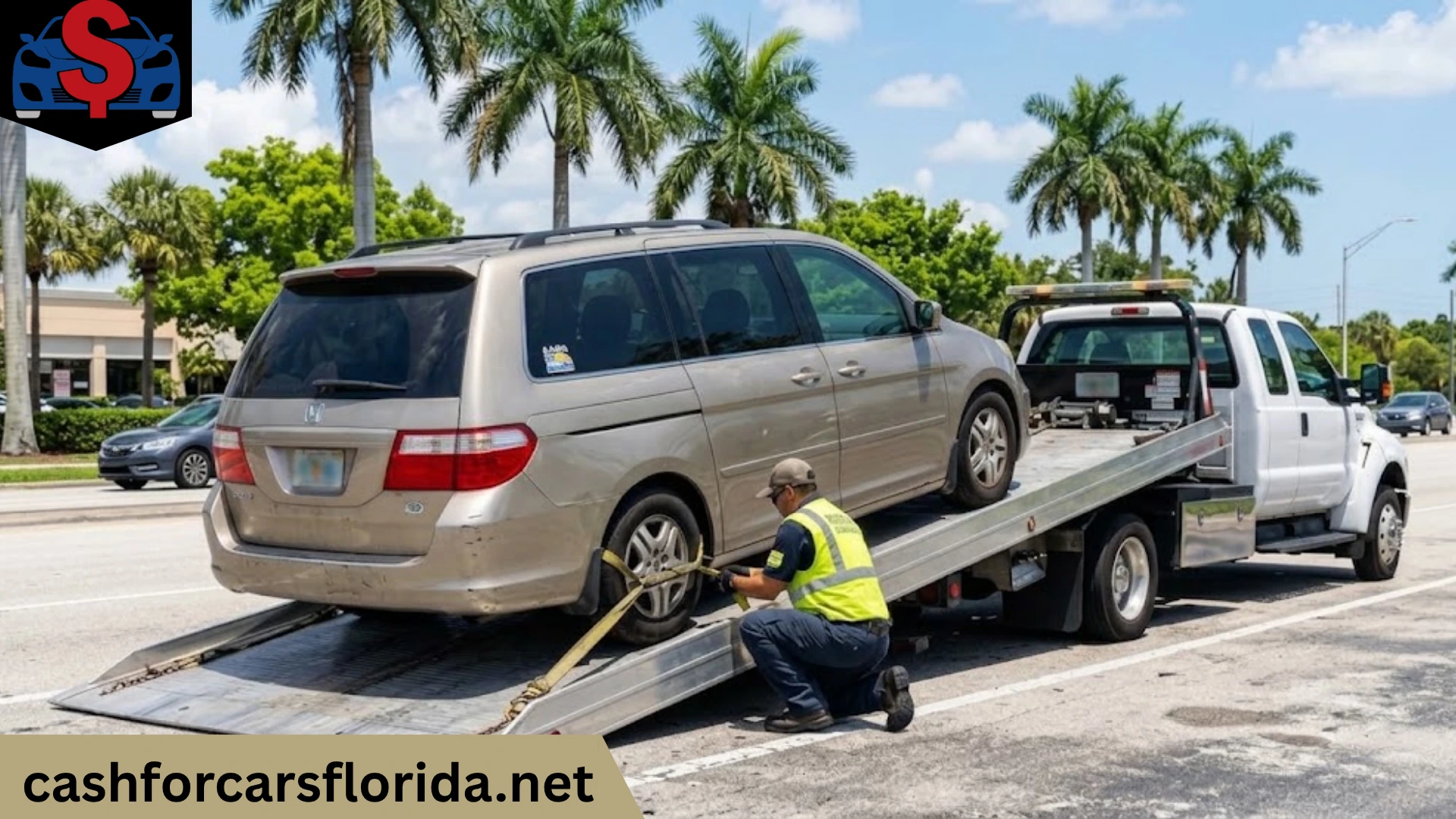
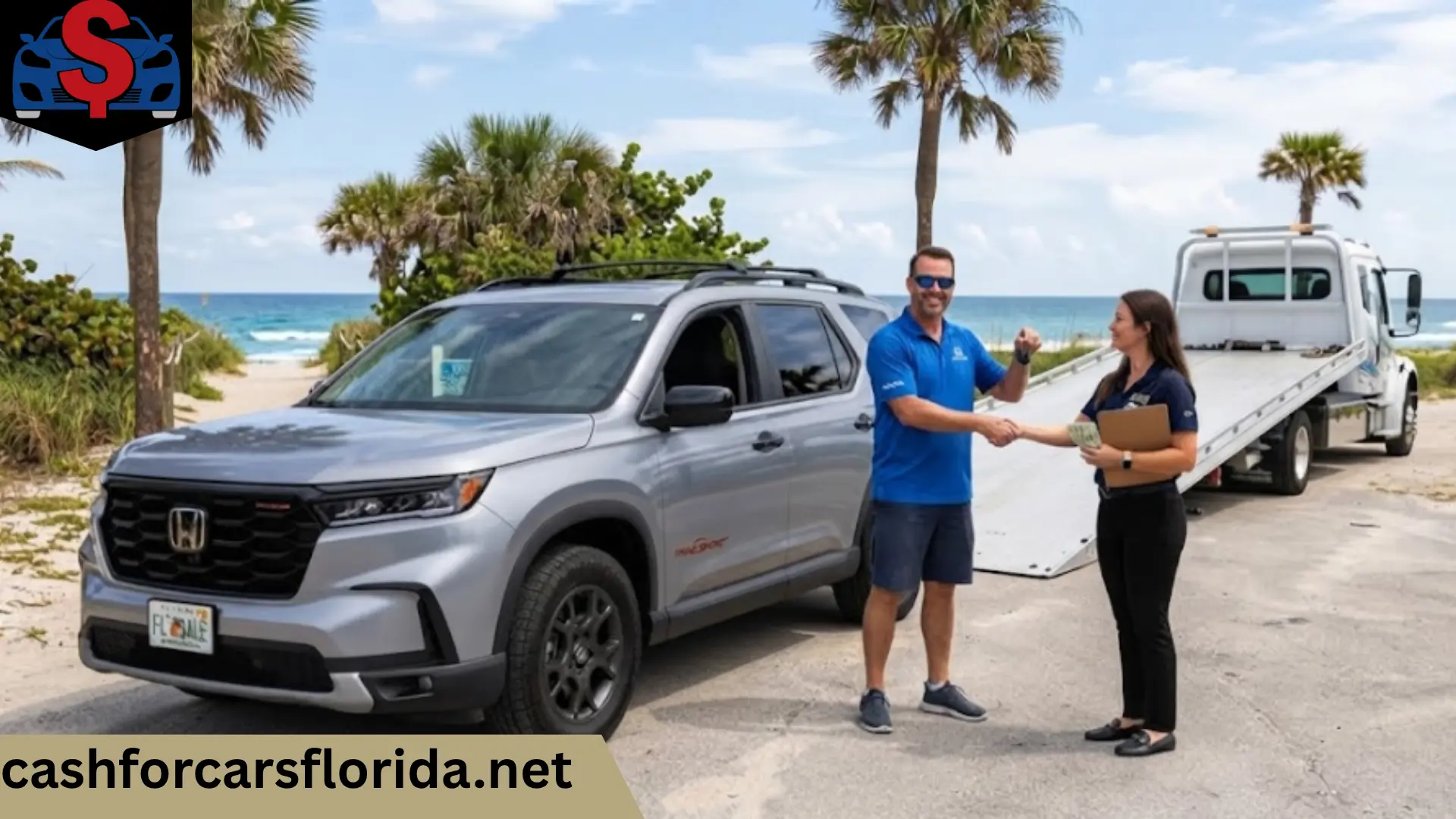
Here’s roughly what the fastest path looks like from start to finish: you contact a buyer and describe the vehicle, which takes a few minutes. You receive a quote — often within the same call or a short callback. If you accept, pickup is usually scheduled within a day or two, sometimes the same day depending on your location and their schedule. At pickup, the buyer handles the paperwork, the tow driver takes the vehicle, and payment changes hands on the spot. Compare that to a private sale, where the listing-to-close timeline for a mid-condition vehicle often runs anywhere from one to four weeks, assuming it sells at all on the first attempt.
Common Mistakes That Slow Down a Sale
A few patterns show up again and again with sellers who end up frustrated:
Waiting until the car is in worse condition before trying to sell it. The longer a non-running car sits, the more it typically depreciates, and rust or weather exposure only adds to the damage over time, selling sooner rather than later almost always nets a better outcome.
Not gathering ownership documents until a buyer asks for them. Scrambling to find a title or registration after you’ve already agreed on a price adds days to a deal that should have closed in hours.
Assuming a car has to be “fixed up” before anyone will buy it. Plenty of sellers spend money on repairs trying to make a car more marketable, when a direct cash buyer would have purchased it as-is for close to the same net amount, minus the repair costs.
Not getting more than one opinion on value. Scrap and resale values shift, and getting a couple of quotes before accepting the first offer is a reasonable way to make sure you’re not leaving money on the table.
Does Timing Matter? Selling a Car at the Right Time of Year in Florida
Florida’s market has a seasonal rhythm that most sellers never think about, but it can make a real difference in how quickly a car moves. Late fall through early spring is peak season — this is when the state’s seasonal population swells as snowbirds arrive from northern states, and demand for used vehicles, especially reliable daily drivers, tends to climb along with it. Selling during these months, if your car is in decent shape, often means a shorter wait and a bit more competition among buyers.
The opposite end of the calendar, particularly late summer into early fall, overlaps with the most active stretch of hurricane season. This period brings its own dynamic: a wave of storm-damaged vehicles enters the market all at once, private buyers get understandably cautious about used car history, and anyone holding a flood-affected vehicle finds the private resale market especially unfriendly. It’s also, somewhat ironically, one of the busiest periods for direct cash buyers, since it’s exactly the kind of vehicle private buyers won’t touch.
None of this means you should wait for a “better” month if your car needs to go now — a non-running or damaged vehicle isn’t going to improve by sitting through another season, and depreciation doesn’t pause for the calendar. But if your car is in solid, sellable condition and you have some flexibility, timing a private sale toward the winter season can work in your favor. If you’re selling something damaged or non-running, timing matters far less, since cash buyers operate on a similar basis year-round.
Red Flags to Watch for When Selling Privately
Since scams and bad-faith buyers are one of the biggest reasons private sales in Florida drag on or fall apart, it’s worth knowing what to watch for. Be cautious of anyone offering to pay more than your asking price and then requesting a refund of the difference — a classic overpayment scam that usually involves a fraudulent check. Be wary of buyers who insist on completing the entire transaction remotely, especially if they’re supposedly out of state and want the vehicle shipped before payment clears. Avoid accepting personal checks from someone you’ve never met, since they can bounce days after you’ve already handed over the car. And be skeptical of anyone pressuring you to skip the title transfer paperwork to save time, in Florida, failing to properly transfer a title can leave you liable for tickets, tolls, or worse if the buyer doesn’t register the vehicle promptly.
None of this is meant to make private selling sound impossible, plenty of Florida residents sell cars privately without issue every day. But it’s worth going in with realistic expectations about how much vetting and patience it actually requires, especially compared to a direct sale where the paperwork and payment process is handled by one party you’ve already agreed to work with.
Frequently Asked Questions
What’s genuinely the fastest way to sell a car in Florida?
For most vehicles, especially anything damaged, non-running, or older — selling directly to a cash car buyer is faster than a private sale or dealership trade-in, since it skips listing, negotiating, and buyer financing entirely.
Can I sell a car in Florida without a title?
In many cases, yes. If you can provide proof of ownership, such as a registration or insurance document showing your name, many buyers can still complete the purchase. Florida also allows you to apply for a duplicate title through the Florida Department of Highway Safety and Motor Vehicles if you need one for other reasons.
Do I have to fix my car before selling it?
No. Cars are commonly sold as-is, including vehicles that don’t run, have significant body damage, or need major mechanical work. Spending money on repairs beforehand rarely increases the payout enough to cover the repair cost itself.
How is the value of a junk or damaged car determined?
Buyers typically consider the make, model, year, mileage, mechanical condition, extent of any damage, and current market value for scrap metal and used parts. There’s no single fixed price that applies to every car.
Is it safe to sell a car for cash to a company instead of a private buyer?
Selling to an established company generally involves less risk than a private sale, since there’s no negotiating with strangers at a meeting spot, no risk of a bounced check, and typically a documented pickup process.
What paperwork do I need to sell my car in Florida?
At minimum, you’ll want your title (or proof of ownership if the title is missing), a valid photo ID, and your vehicle’s registration if you have it. If there’s a lien on the vehicle, that will need to be addressed as part of the sale.
Do I need to be present when the car is picked up?
Someone authorized to release the vehicle needs to be there to sign off and hand over the keys, but it doesn’t necessarily have to be the registered owner — this comes up often with family members handling a sale on someone else’s behalf.
Will hurricane or flood damage affect my ability to sell?
It affects private sale prospects far more than it affects cash buyers. Most private buyers avoid flood-damaged vehicles entirely, while a direct buyer will typically still make an offer based on the car’s parts or salvage value.

- Who Buys Junk Honda Civic GX In Florida - October 23, 2026
- How Do Florida Junk Car Buyers Price A Honda Odyssey - October 23, 2026
- Should You Sell Your Honda Ridgeline For Cash Today - October 22, 2026