

Sell Cars In Cape Coral, Fl
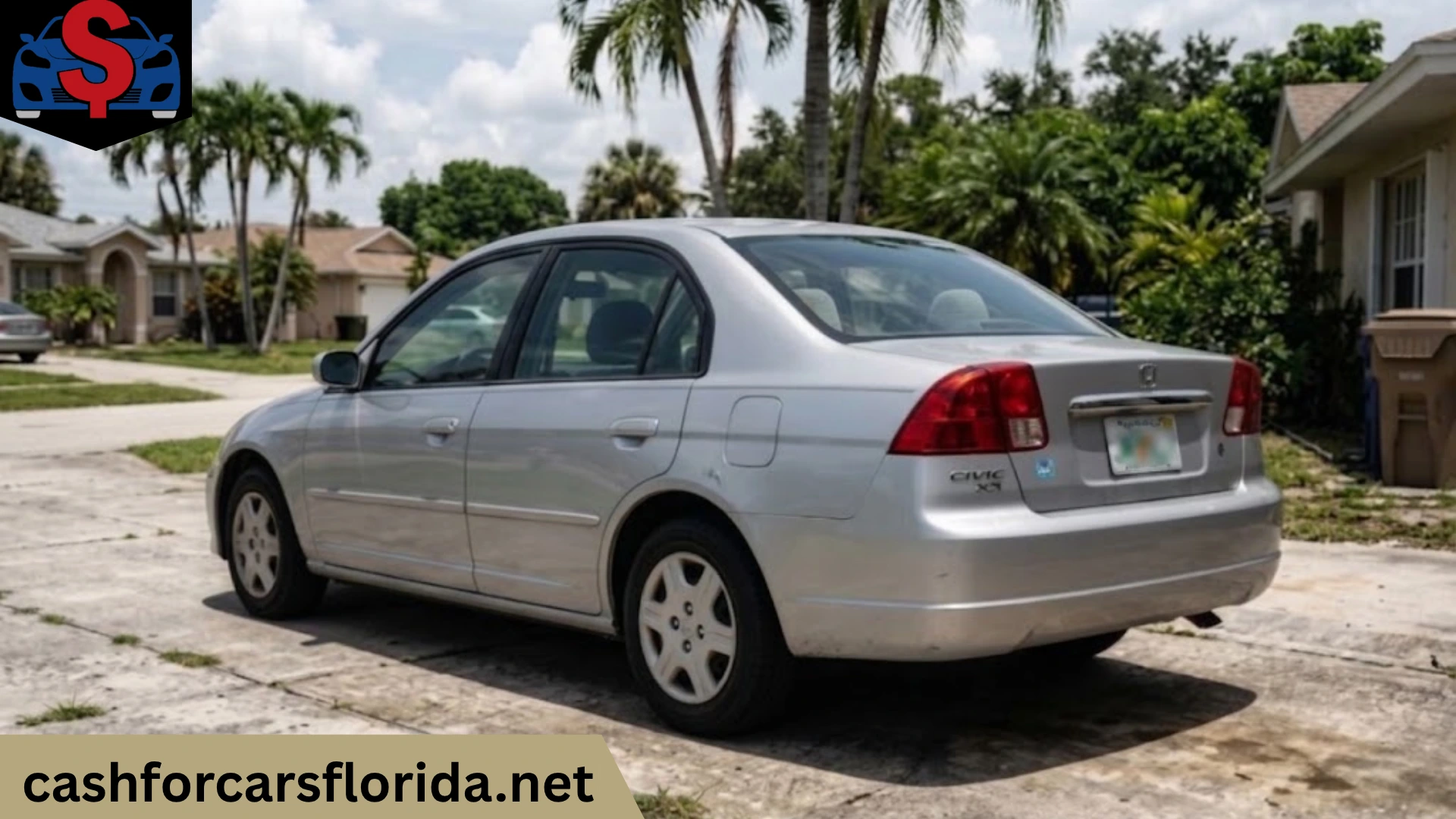
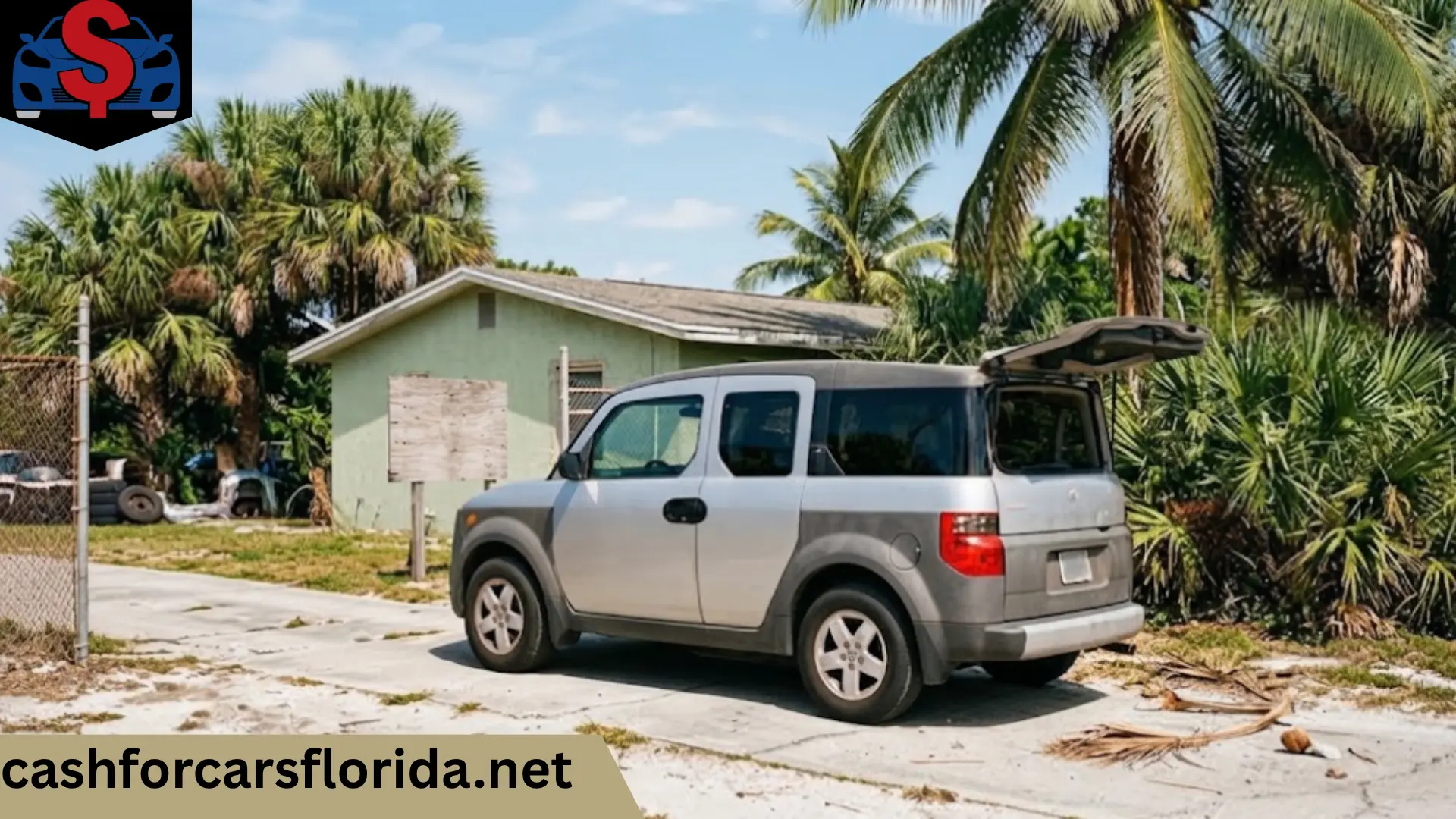
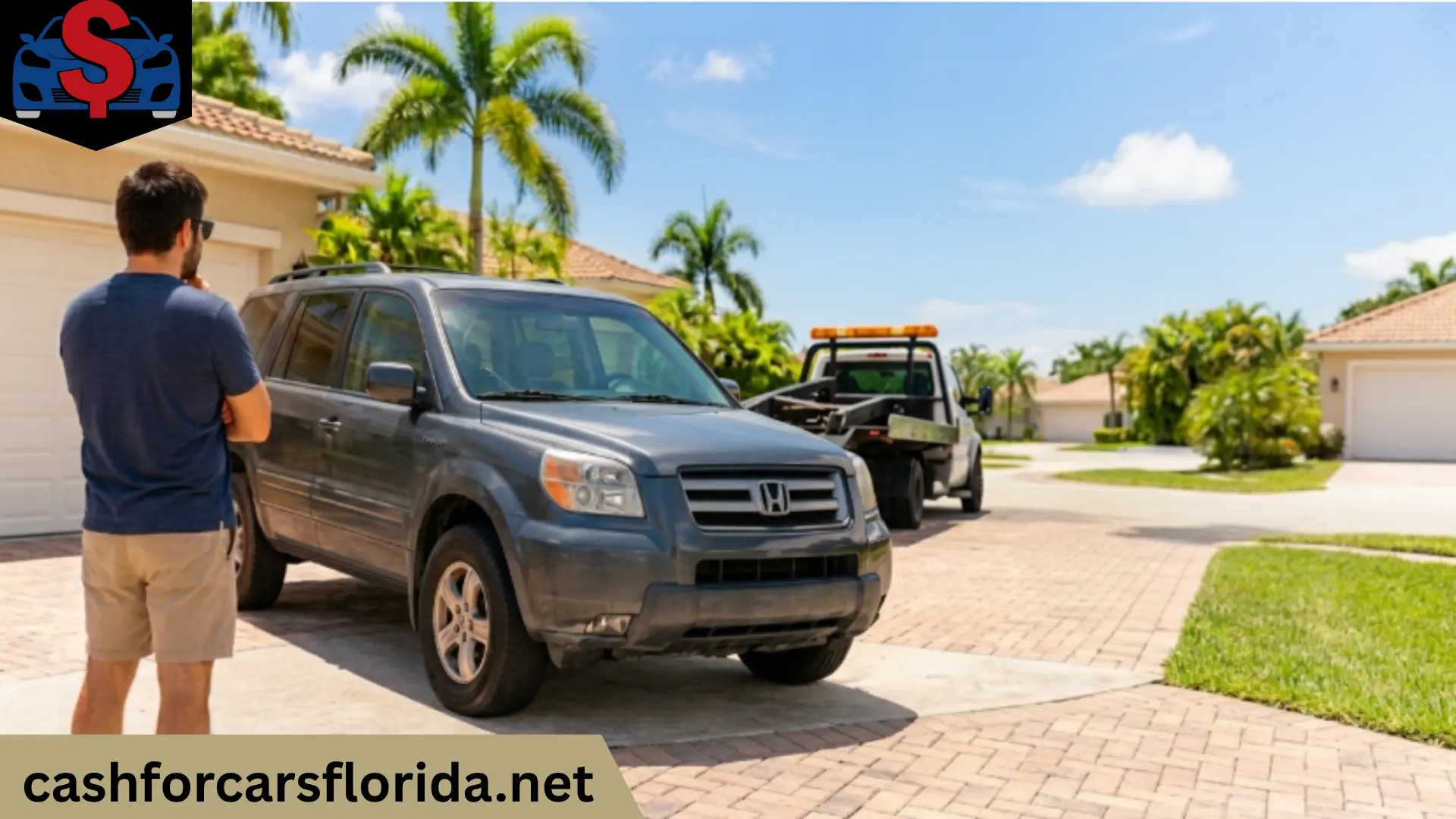
If you live in Cape Coral, there’s a decent chance you’ve got a car somewhere, a driveway, a side yard, maybe tucked behind the boat, that hasn’t moved in months. Maybe the engine gave out and fixing it costs more than the car’s worth. Maybe it took on water during a storm and never ran quite right afterward. Or maybe it’s just old, and you’ve been meaning to deal with it for longer than you’d like to admit. Whatever the reason, that car isn’t doing you any good sitting there. It’s taking up space, and every month it sits, it’s worth a little less.
The good news is that getting rid of it doesn’t have to be complicated, and it doesn’t have to mean giving the car away for nothing. Cape Coral has options for selling a car exactly as it is — no repairs, no cleaning, no waiting around for a private buyer to show interest.
Why Cape Coral Cars Age the Way They Do
Cape Coral is a little different from a lot of Florida cities. It’s built around one of the largest man-made canal systems in the world, over 400 miles of waterways threading through nearly every neighborhood — which means a huge share of residents live within a short walk of water. That’s great for boating, but it also means cars here deal with humidity and salt air on a near-daily basis, which speeds up rust on undercarriages, brake lines, and exhaust systems in ways that inland cities don’t see as much.
Then there’s storm exposure. Cape Coral took a direct hit during Hurricane Ian in 2022 and thousands of vehicles across the city were damaged by flooding, wind-blown debris, or storm surge in low-lying areas near the canals. Even years later, some of those cars are still sitting around — technically driveable, but with electrical gremlins or corrosion issues that never fully went away. If that sounds like your situation, you’re far from the only one dealing with it.
On top of the climate factors, Cape Coral is a spread-out city with long stretches between destinations — Pine Island Road, Del Prado Boulevard, and Cape Coral Parkway all see a lot of daily mileage, since the city was designed around car travel rather than dense, walkable blocks. Vehicles here rack up miles quickly just from ordinary errands, which shortens their useful life compared to a car doing mostly short trips in a denser city.
A Car Doesn’t Need to Run to Be Worth Something
One of the most common misunderstandings people have is assuming that once a car stops running, it’s worthless. That’s rarely true. Even a car that hasn’t started in years typically still has value in its parts — the engine block, transmission, catalytic converter, battery, tires, and even the sheet metal itself all have resale or scrap value. A buyer who specializes in non-running vehicles isn’t looking for something that starts on the first try; they’re pricing the car based on what can be recovered from it, whether that’s usable parts for someone else’s repair or raw scrap metal.
This is exactly why companies that buy junk cars can offer real money for a vehicle that a private buyer, or even a dealership, would turn away without a second look. The math is different. A private buyer wants something they can drive home. A junk car buyer is pricing the car as a collection of valuable components, which changes what worth something actually means.
How the Process Actually Works
Selling a car this way is a lot simpler than most people expect, mainly because there’s no listing to write and no strangers to negotiate with in a parking lot.
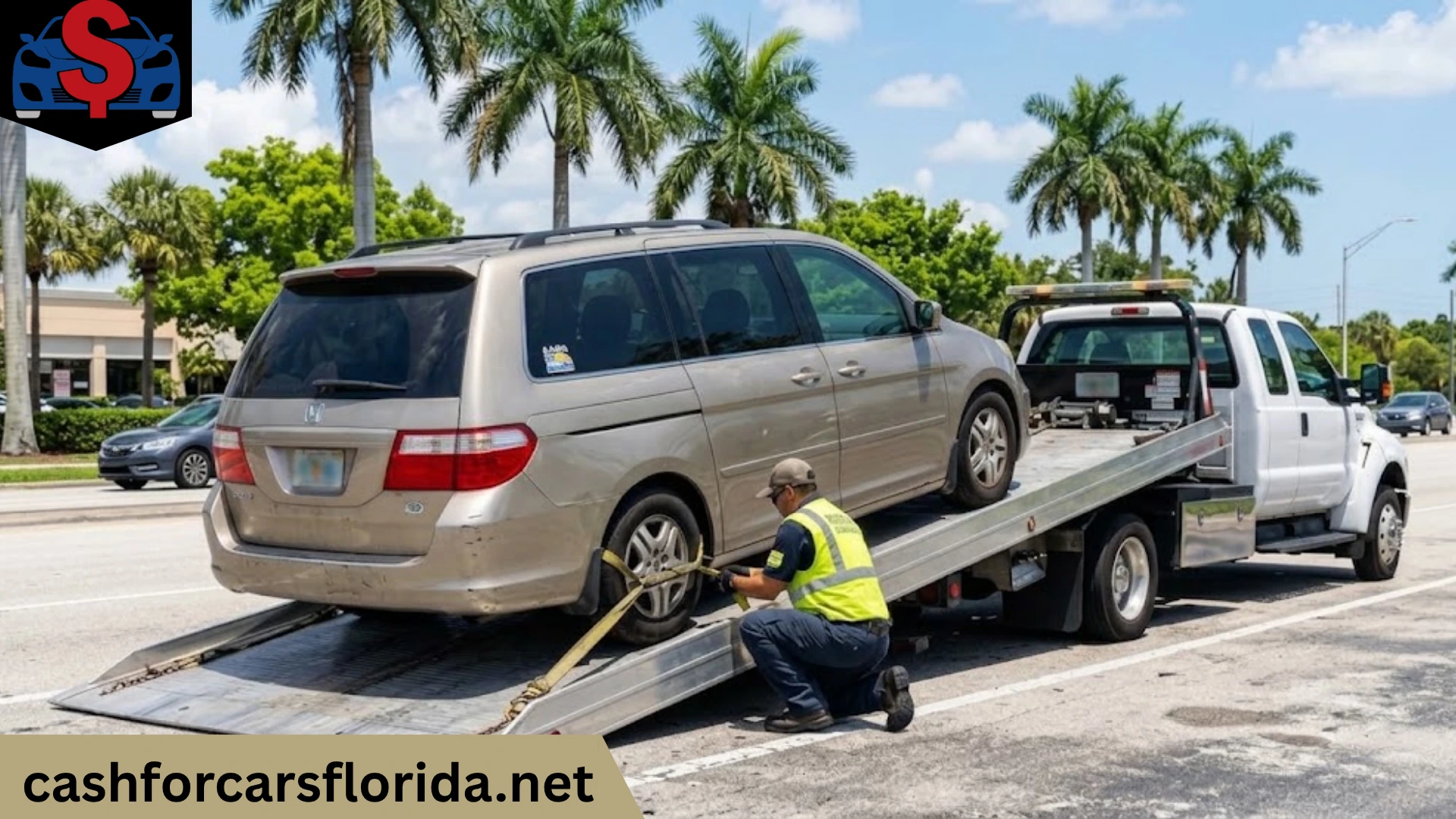
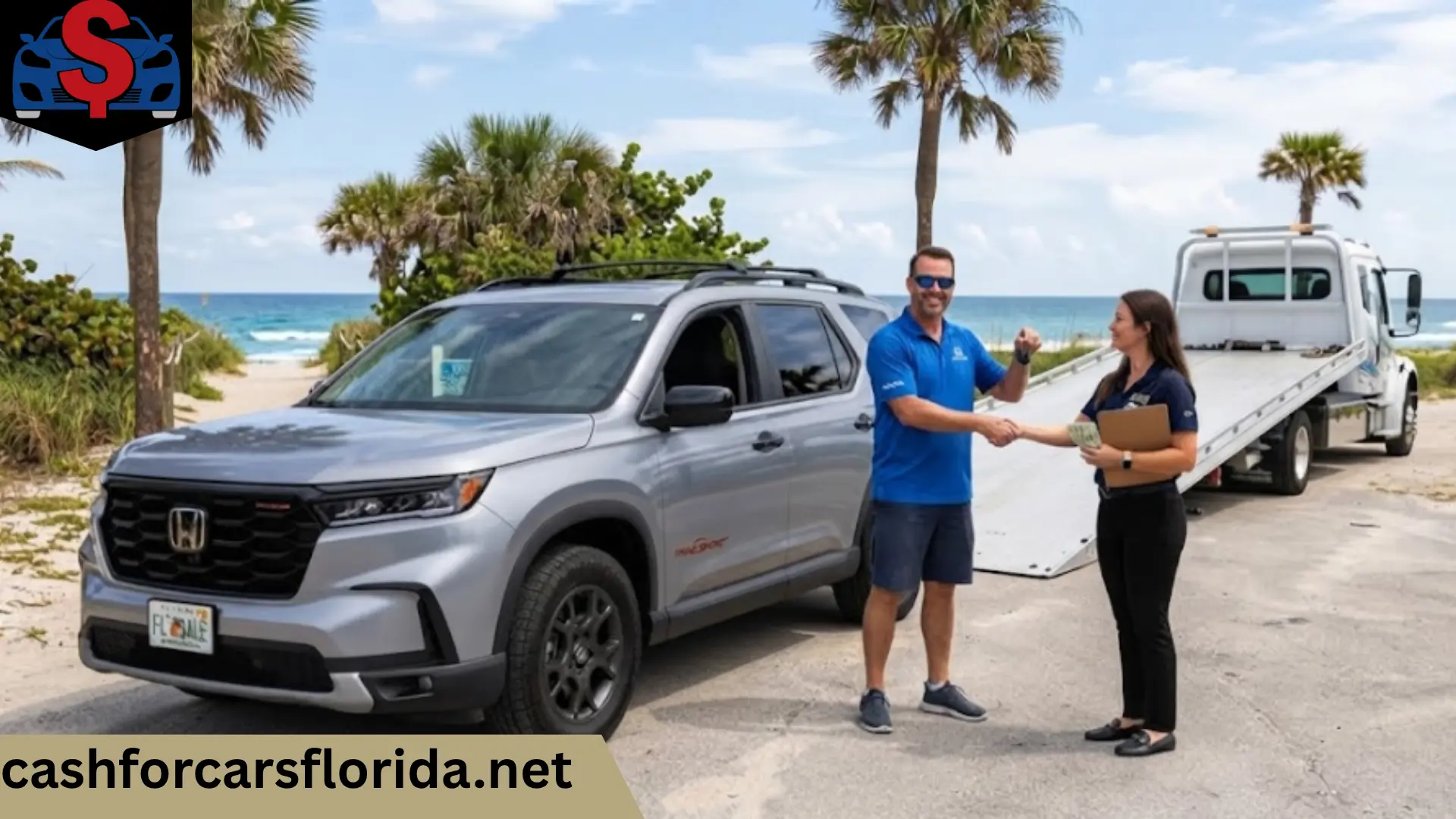
It typically starts with a phone call or an online form where you describe the vehicle — the make, model, year, and a general sense of its condition. You don’t need to know every mechanical detail; a reasonable description is enough to get a quote. Based on that information, the buyer gives you a cash offer, usually within a few minutes. If the number works for you, the next step is scheduling a pickup time. Most buyers can come the same day or within 24 hours, and towing is included at no extra cost — you’re not paying to have your own car removed.
When the tow truck arrives, someone with the paperwork handles the title transfer on the spot, and you’re paid before the car leaves your property. From the first phone call to the payment in your hand, the whole process often takes less than a day.
What Kind of Cars Get Picked Up in Cape Coral
Junk car buyers in this area aren’t picky about conditions the way a used car lot would be. The vehicles that typically get sold this way include:
- Cars that no longer start or run at all
- Vehicles with storm, flood, or hurricane-related damage
- Cars with rust or corrosion damage from years near the canals or coast
- High-mileage vehicles that have simply reached the end of their useful life
- Wrecked or accident-damaged cars that aren’t worth repairing
- Vehicles without a current title, as long as ownership can be shown another way
- Cars inherited from a family member that no one in the family wants to keep
Selling Privately vs. Selling to a Junk Car Buyer
It helps to see the two paths side by side, since the right choice really does depend on the condition of your vehicle and how much time you’re willing to spend.
| Factor | Selling Privately | Selling to a Junk Car Buyer |
| Best suited for | Cars in good, driveable condition | Cars that are damaged, non-running, or very old |
| Time to sell | Typically one to several weeks | Often same-day or within 24 hours |
| Effort required | Photos, listing, negotiating, meeting buyers | A phone call or short online form |
| Repairs needed first | Usually expected by buyers | None — sold as-is |
| Payment method | Varies; risk of bounced checks or no-shows | Cash on the spot at pickup |
| Towing or delivery | Seller’s responsibility | Included at no cost |
| Works without a title | Rarely | Often, with proof of ownership |
If your car runs well and looks presentable, a private sale might net you a bit more money, assuming you have the time and patience for it. But for anything storm-damaged, rusted, non-running, or simply old enough that a private buyer wouldn’t consider it, a junk car buyer is almost always the faster and less stressful route — and often the only realistic one.
What Determines the Offer Amount
There’s no single flat number that applies to every car — despite what some ads might suggest. A fair offer typically comes down to a combination of factors: the make and model, since certain vehicles have parts that are in higher demand than others; the mileage and overall mechanical condition; the extent of any damage, whether that’s rust, collision damage, or flood exposure; and current market prices for scrap metal, which shift over time and affect what a buyer can reasonably pay. A newer truck with a blown engine is going to be valued very differently than a fifteen-year-old sedan that’s simply worn out, even though an owner might describe both the same way, as junk.
If you’re trying to get a sense of what your car might be worth, it’s reasonable to get more than one quote before accepting an offer, especially since pricing can vary somewhat between buyers.
Dealing With a Car That Doesn’t Have a Title
This comes up more often than people expect, especially with older vehicles, cars inherited from a relative, or vehicles that have changed hands informally over the years without the paperwork keeping pace. The good news is that a missing title usually isn’t a dealbreaker. Most established buyers can still make an offer if you can show some form of proof that the car is legally yours a registration, an insurance document, or in some cases a bill of sale. If none of that is available, Florida’s Department of Highway Safety and Motor Vehicles can issue a duplicate title, though that process takes longer than most people want to wait if they’re just trying to get an old car off the property.
Junkyards, Recycling, and What Happens After Pickup
For anyone curious about what actually happens to a car after it’s sold, the short answer is that very little of it goes to waste. Salvage yards and auto recyclers strip usable parts — engines, transmissions, alternators, body panels and resell them to repair shops or individual buyers who need a specific part for a repair. What’s left after usable parts are removed gets shredded and sold as scrap metal, which gets melted down and reused in manufacturing. It’s a genuinely more sustainable outcome than letting a car sit and slowly decompose in a yard, leaking fluids into the ground over years.
If your main goal is decluttering rather than getting the most money possible, some Cape Coral residents choose to donate an old vehicle to a charity instead of selling it outright. Most charities that accept vehicle donations will arrange free pickup as well, so the logistics aren’t much different from a cash sale — the main difference is where the value of the car ends up going.
Red Flags to Watch For When Choosing a Buyer
Not every company advertising cash for junk cars operates the same way, and it’s worth knowing what separates a legitimate buyer from one that’s going to waste your time. Be cautious of any company that won’t give you a real quote over the phone and instead insists you have to schedule an in-person inspection before discussing any numbers — legitimate buyers can usually give a solid estimate based on your description alone. Be wary of anyone who wants to charge a towing or “pickup” fee, since reputable buyers in this space almost universally include towing for free. Watch out for offers that seem unusually high compared to every other quote you’ve gotten; sometimes that’s a tactic to get you to commit, followed by a lower “final” number once the tow truck shows up. And always ask directly how and when you’ll be paid — a company that’s vague about payment timing or method is worth a second look before you commit.
Common Questions From Cape Coral Sellers
A few questions come up repeatedly from people in this situation, so it’s worth addressing them directly.
Some people wonder whether it’s worth waiting for a “better time” to sell, especially if the car isn’t causing any immediate problem. In most cases, waiting doesn’t help. Cars that sit outside continue to deteriorate — more rust, more weather exposure, more risk of a part failing that lowers the resale value further. There’s rarely an advantage to delaying once you’ve decided to sell.
Others aren’t sure whether they need to clean the car out first. You don’t need to detail it or even remove trash from the interior — buyers are pricing the vehicle based on its mechanical and material value, not its tidiness. That said, it’s worth double-checking the glovebox, trunk, and any storage compartments for personal items or documents before pickup, since it’s easy to forget something’s in there.
There’s also a common question about whether a car needs to be physically accessible for towing. If your vehicle is somewhere a standard tow truck can’t easily reach — behind a locked gate, deep in unmowed grass, or blocked by another vehicle — it’s worth mentioning that upfront when you get your quote, so the buyer can plan accordingly rather than showing up unable to complete the pickup.
When Cape Coral Residents Typically Decide to Sell
A few situations come up again and again in this city, and recognizing your own in the list can make the decision easier.
The most obvious one is storm season. Every year between June and November, Cape Coral residents keep a close eye on tropical weather, and it’s common for a car that survived one storm to finally give out after the next one — especially vehicles that have already taken on some water damage or corrosion in prior seasons. If you’ve got a car that’s been “iffy” since the last named storm came through, it’s usually not going to get better on its own.
Another common scenario involves seasonal residents. Cape Coral has a sizable population of part-time and retired residents who split their time between Florida and somewhere up north. When those residents head out for the summer, a second vehicle sometimes gets left behind rather than driven or properly stored, and by the time they return, it’s degraded enough that selling makes more sense than reviving it.
Family situations come up often too. It’s common for someone to inherit a car from a relative’s estate, only to realize that no one in the family actually wants or needs an additional vehicle. In those cases, selling to a junk car buyer avoids the hassle of listing a car that was never really “shopped for” in the first place — it just needs to be gone.
And then there’s the simplest reason of all: a car that’s been sitting unused for so long that dealing with it has become its own kind of chore. No damage story, no big event — just years of putting it off.
Getting Ready for Pickup
Once you’ve accepted an offer, there’s not much prep required, but a few small steps make the process go faster on pickup day.
Remove your license plate before the tow truck arrives, unless your buyer specifically tells you to leave it — in Florida, plates typically stay with the owner rather than the vehicle, and you may be able to transfer it to another car or return it to the DMV. Take a few photos of the car and its odometer reading for your own records, particularly if you’re also planning to notify your insurance company that the vehicle is no longer in your possession. If the car still has an active insurance policy, it’s worth canceling or adjusting that coverage once the sale is complete, so you’re not paying for a policy on a car you no longer own.
It’s also worth doing a quick check of the vehicle for anything you might want to keep — registration documents, personal items in the console or glovebox, a garage door opener clipped to the visor, or anything else that’s easy to forget once the car is gone. Buyers aren’t responsible for personal property left behind, so a five-minute check before pickup saves a headache later.
A Note on Why So Much Online Content About This Topic Feels Off
If you’ve searched around for information on selling a junk car in Cape Coral, you may have noticed that a lot of what comes up reads strangely, oddly worded phrases, city names that don’t quite make sense, sentences that feel like they were run through a translation tool and back. That’s usually because a lot of this content gets mass-produced using automated rewriting tools that swap out words for synonyms without actually understanding what they mean, which is how you end up with things like a city name being replaced with something nonsensical, or instant cash becoming a phrase that no one would ever actually say. It’s worth being cautious of sites that read this way, if the writing feels artificial, it’s a reasonable signal to look a little more closely at whether the business behind it is legitimate too.
Frequently Asked Questions
How much can I get for a junk car in Cape Coral, FL?
It depends on the car’s make, model, mileage, condition, and current scrap metal prices. Most junk cars are worth more than owners initially expect, even ones that no longer run.
Do I need a title to sell my junk car?
Not always. Many buyers can still make an offer if you can show proof of ownership another way, such as a registration or insurance document in your name.
Is towing really free?
With reputable buyers, yes. Free towing is a standard part of the offer, so you shouldn’t need to pay anything out of pocket to have the car removed.
How fast can I actually get paid?
Many sellers get a quote within minutes of describing their car and receive cash the same day, typically at the time of pickup.
Does my car need to be running to sell it?
No. Buyers regularly purchase cars that don’t start, have significant damage, or are missing parts entirely.
What if my car was damaged in a hurricane?
Storm and flood-damaged vehicles are commonly bought by junk car buyers, even when the damage would make a private sale nearly impossible.
Can I sell just parts of my car instead of the whole vehicle?
Yes — local salvage yards and auto recyclers often buy individual components like engines, transmissions, or batteries if you’d rather not sell the car as a whole.
Is it better to sell my car privately or to a junk car buyer?
If your car runs well and is in decent shape, a private sale might get you more money, but it takes more time and effort. For damaged, non-running, or very old vehicles, a junk car buyer is usually faster and more practical.