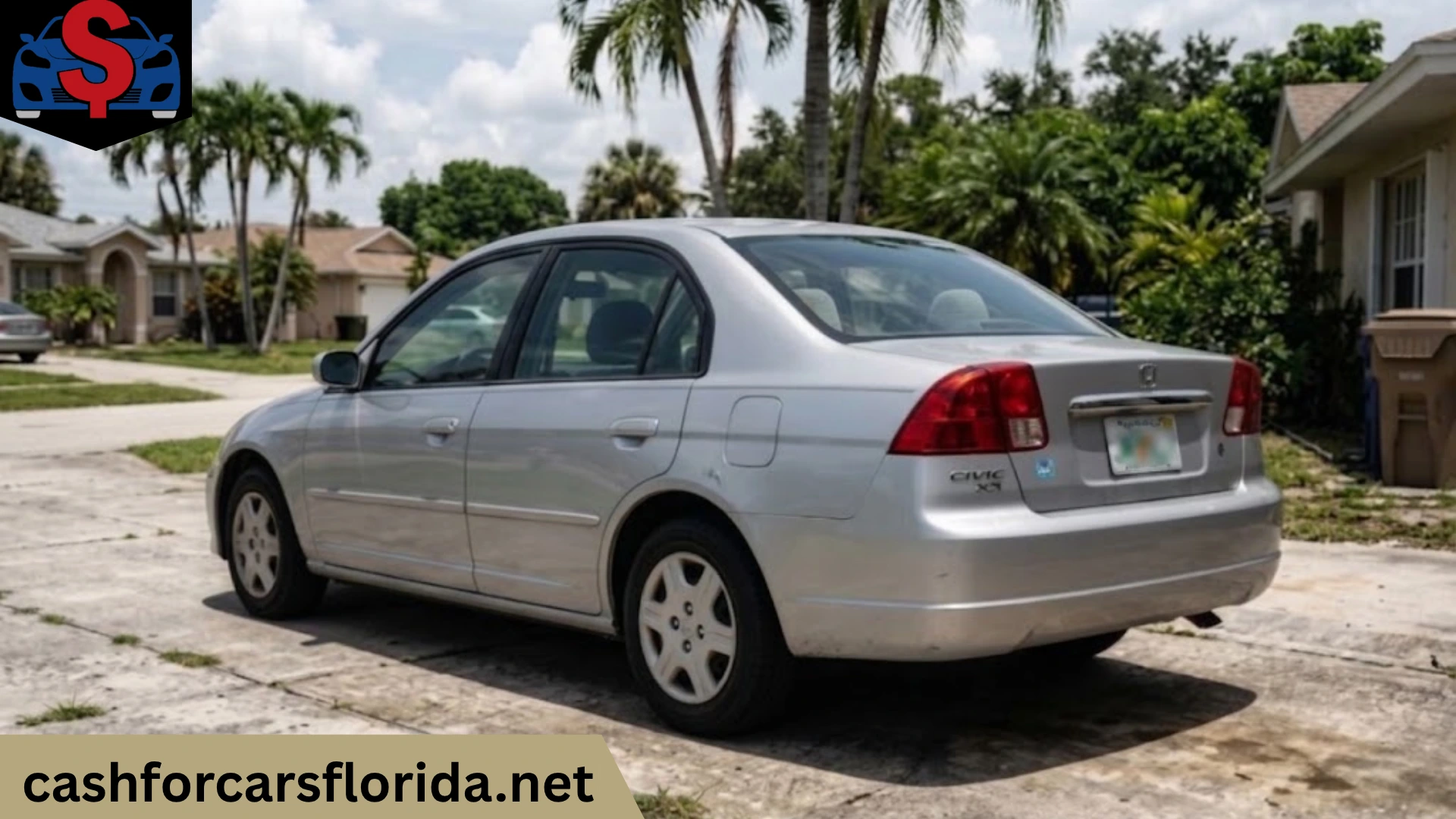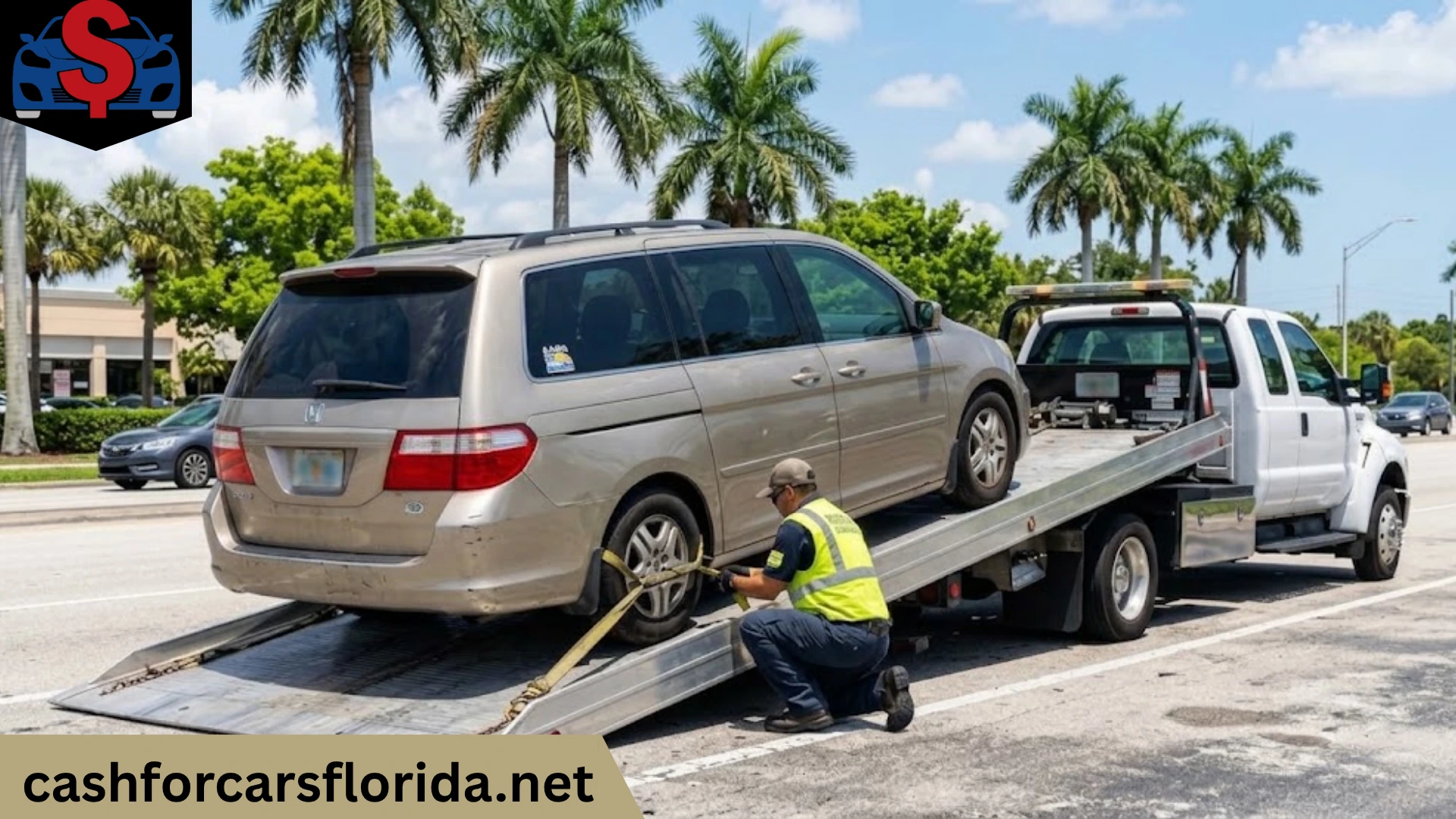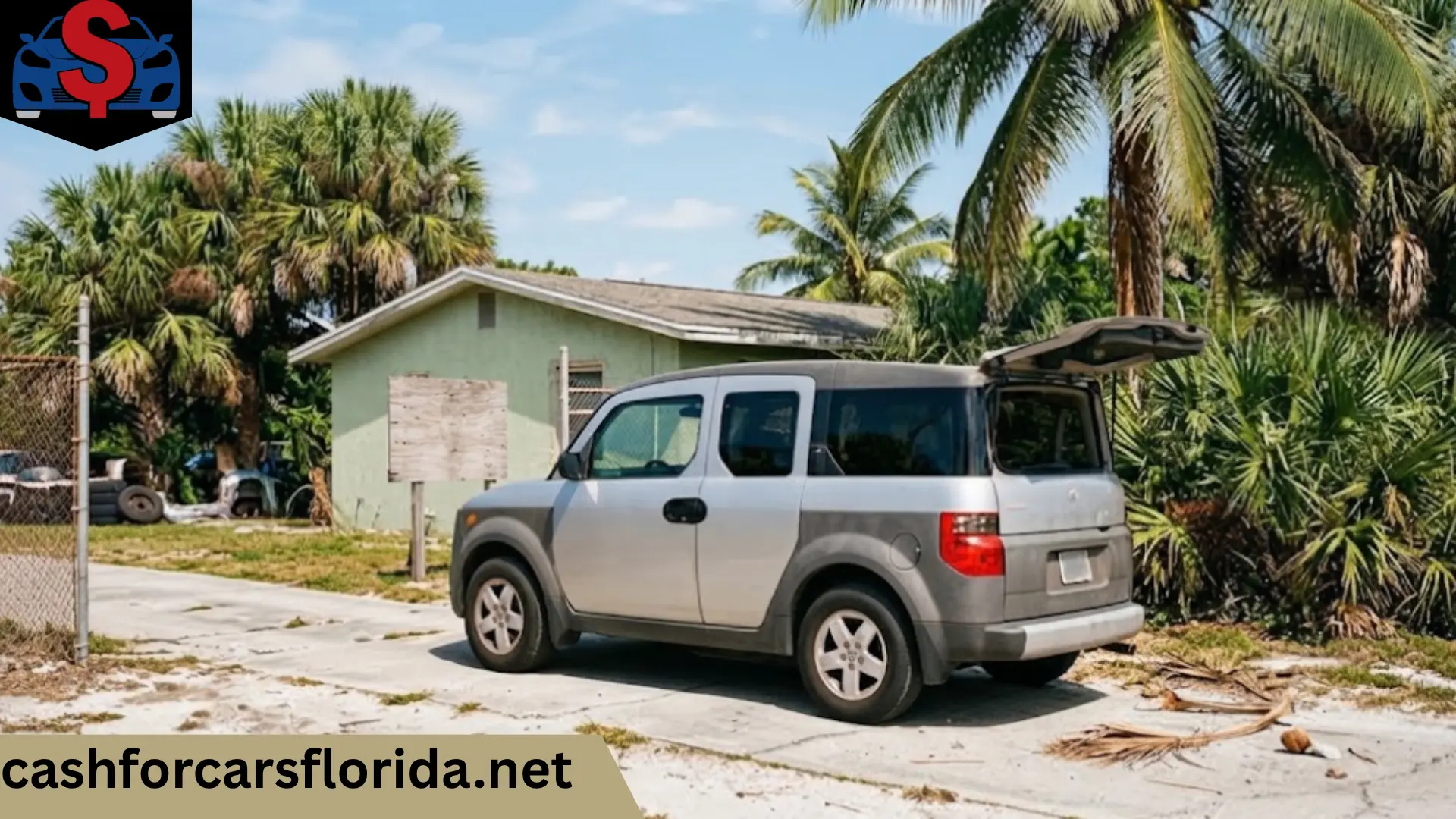

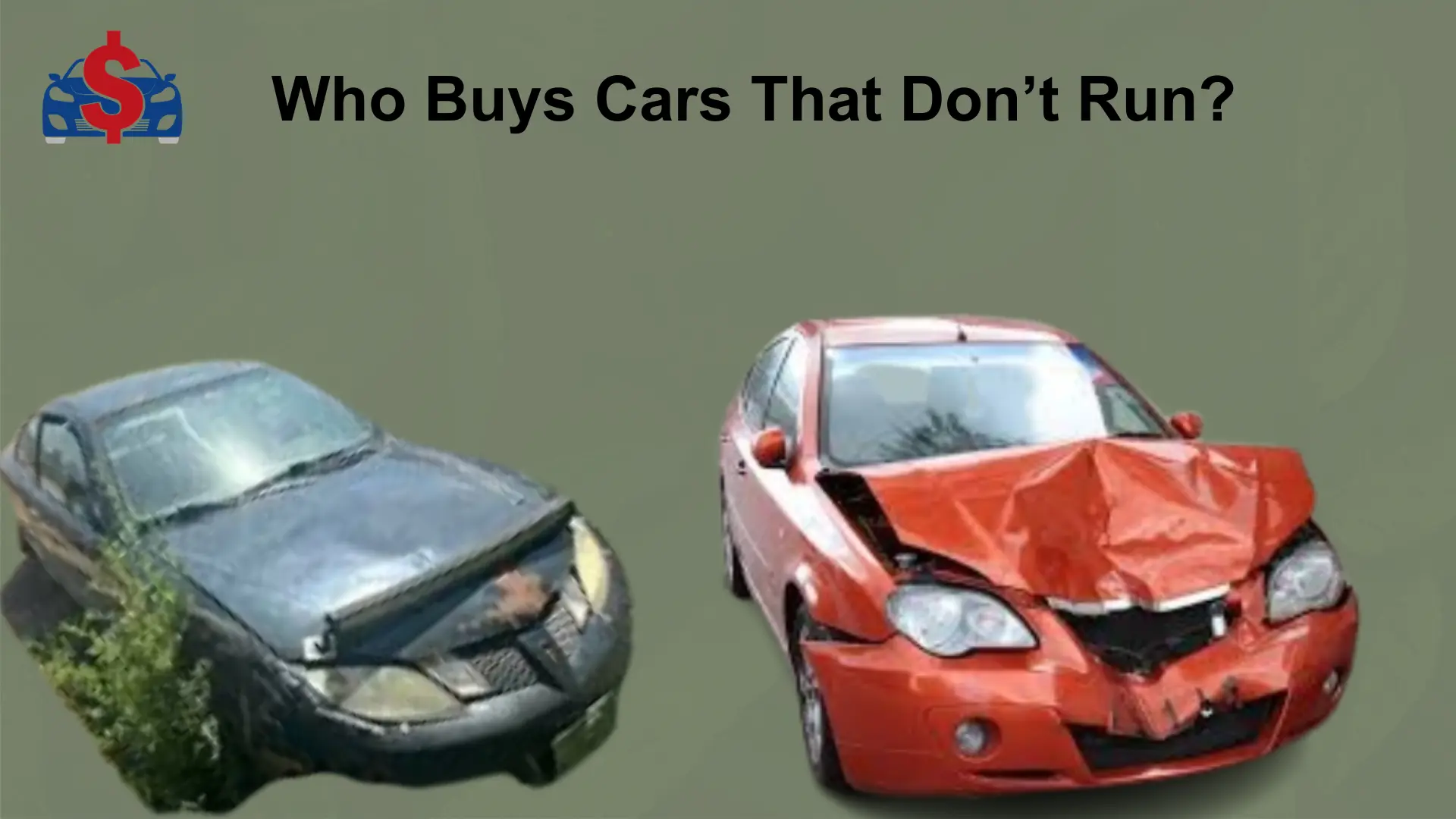
Do you have a car that no longer runs, taking up valuable space in your driveway? You’re not alone in wondering, “Who buys cars that don’t run?” The good news is that there are plenty of buyers and services eager to take these vehicles off your hands, often with minimal hassle. Here’s an ultimate guide to selling a non-running car for the best value.
Why Would Anyone Buy a Non-Running Car?
Cars that don’t run still hold value in various ways are given as:
· Salvageable Parts:
Items like the catalytic converter, engine, and tires can be sold individually.
· Scrap Metal:
The steel, aluminum, and other metals in your car can fetch a decent price.
· Rebuild Projects:
Enthusiasts or businesses may buy these cars for restoration or resale.
Who Buys Cars That Don’t Run?
1. Junk Car Buyers:
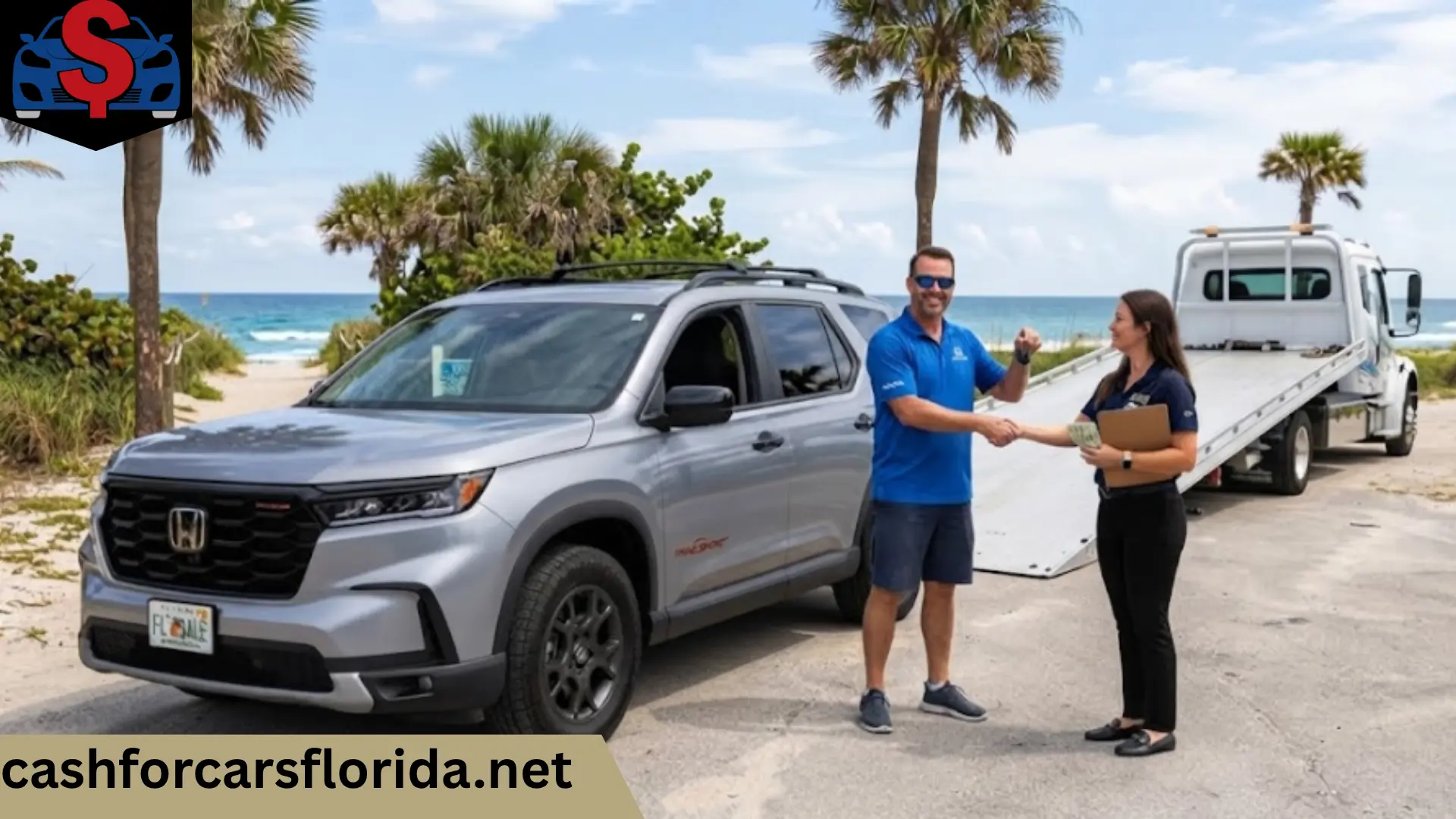
Specialized junk car buyers, like cash for cars Florida, focus on vehicles that are beyond repair. These companies often provide instant offers and free towing. They buy your car regardless of its condition and handle all the paperwork.
2. Scrap Yards:
Scrap yards purchase vehicles primarily for their weight in metal. Larger vehicles like SUVs and trucks typically bring higher payouts due to their heavier weight. Be sure to get multiple quotes, as rates can vary by location.
3. Parts Buyers:
Selling parts individually can yield higher returns, especially for in demand components like catalytic converters, batteries, and tires. However, this requires time and space to dismantle and store parts.
4. Online Car Buyers:
Platforms like Cash for Cars Florida, Car Brain, Peddle, and Carvana offer a seamless experience by providing instant online quotes for non-running cars. Some even handle towing and payment within 24–48 hours.
5. Private Buyers:
While less common, hobbyists or mechanics may be interested in buying non-running vehicles for parts or restoration projects. Platforms like Facebook Marketplace and Craigslist are great for reaching these buyers.
6. Dealerships (TradeIns):
Some dealerships accept non-running vehicles as tradeins, particularly if you’re buying another car from them. However, the tradein value might be lower than selling outright.
Steps to Sell a Car That Doesn’t Run
1. Evaluate the Car’s Condition:
Use tools like Kelley Blue Book or Edmunds to determine the potential value of your car. Highlight salvageable parts or unique features that might increase its worth.
2. Get Multiple Quotes:
Compare offers from junkyards, online buyers, and local scrap yards. Services like SellMax and CarMax make the process easy by providing instant quotes.
3. Prepare Your Documents:
Have your title, registration, and any repair records ready. While some buyers may accept cars without titles, having one often increases your payout.
4. Consider Free Towing Services:
Many buyers, such as Peddle and CarBrain, offer free towing, saving you time and money.
5. Clean Out the Car:
Remove all personal belongings and leave the car as clean as possible to streamline the process.
How Much Can You Get for a Non-Running Car?
The amount depends on several factors, those factors are given below as:
1. Weight and Scrap Value:
Larger vehicles often bring higher offers due to more metal content.
2. Parts Condition:
Salvageable parts can significantly increase the car’s worth.
3. Make and Model:
Popular models like the Toyota Camry or Honda Civic tend to fetch better prices.
4. Average Payouts:
· Scrap yards: Based on weight, usually $100–$300 per ton
· Parts sales: Higher but require time and effort
FAQs
In many cases, yes. Some buyers accept non-running cars without a title, though having one usually means a higher payout.
No. Most junk car and online buyers include free towing as part of the deal.
Many buyers pay within 24–48 hours of accepting an offer, often on the same day as pickup.
Parts usually bring in more money, but selling scrap is faster and requires no dismantling work.
Typically your title, registration, and a valid ID. Repair records aren’t required but can help if you’re highlighting good parts.